Fiercest Clashes in Days in Tirana: More Than 300 Injured, Government Buildings Attacked as Protesters Demand Resignation
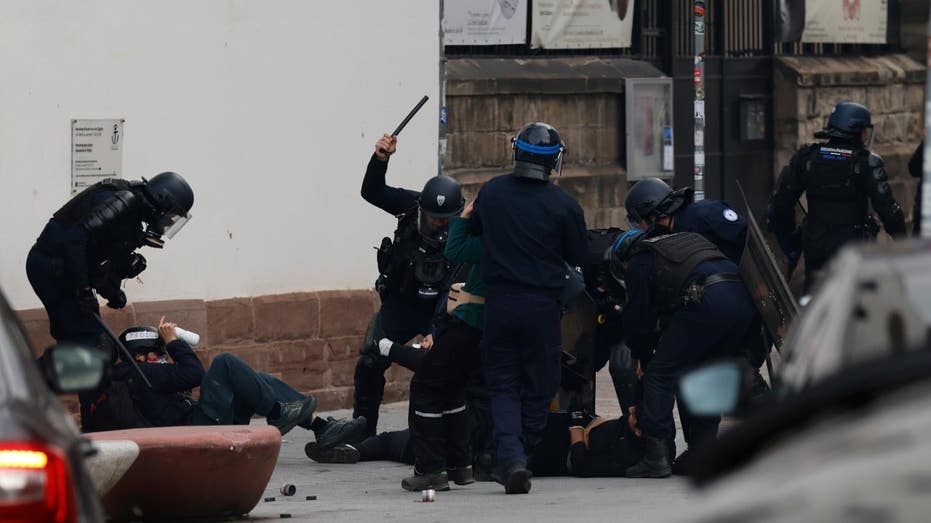
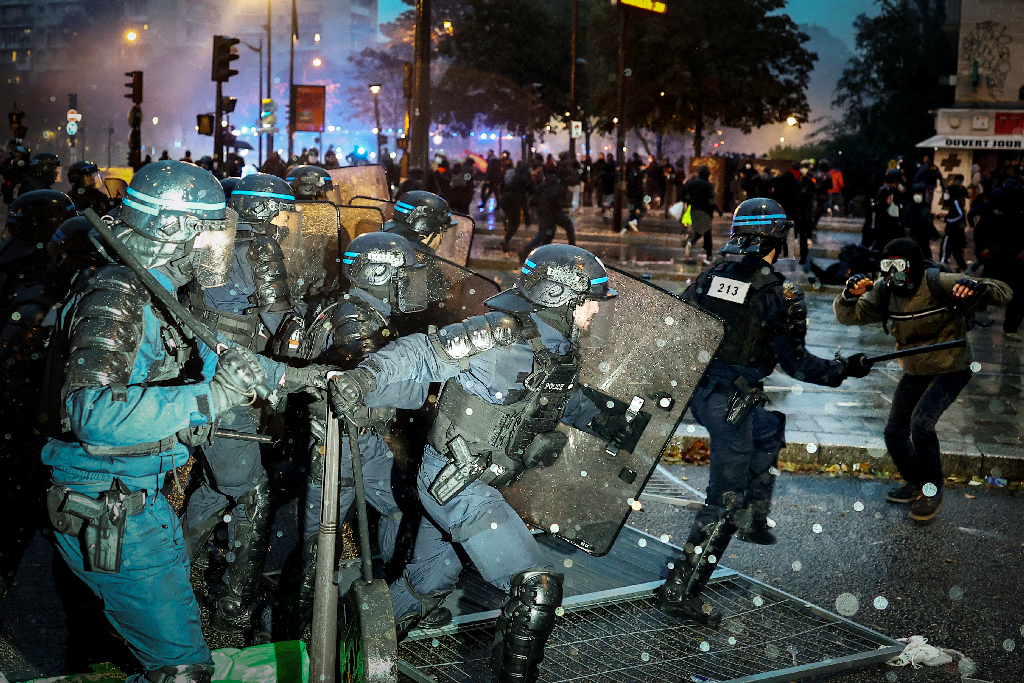
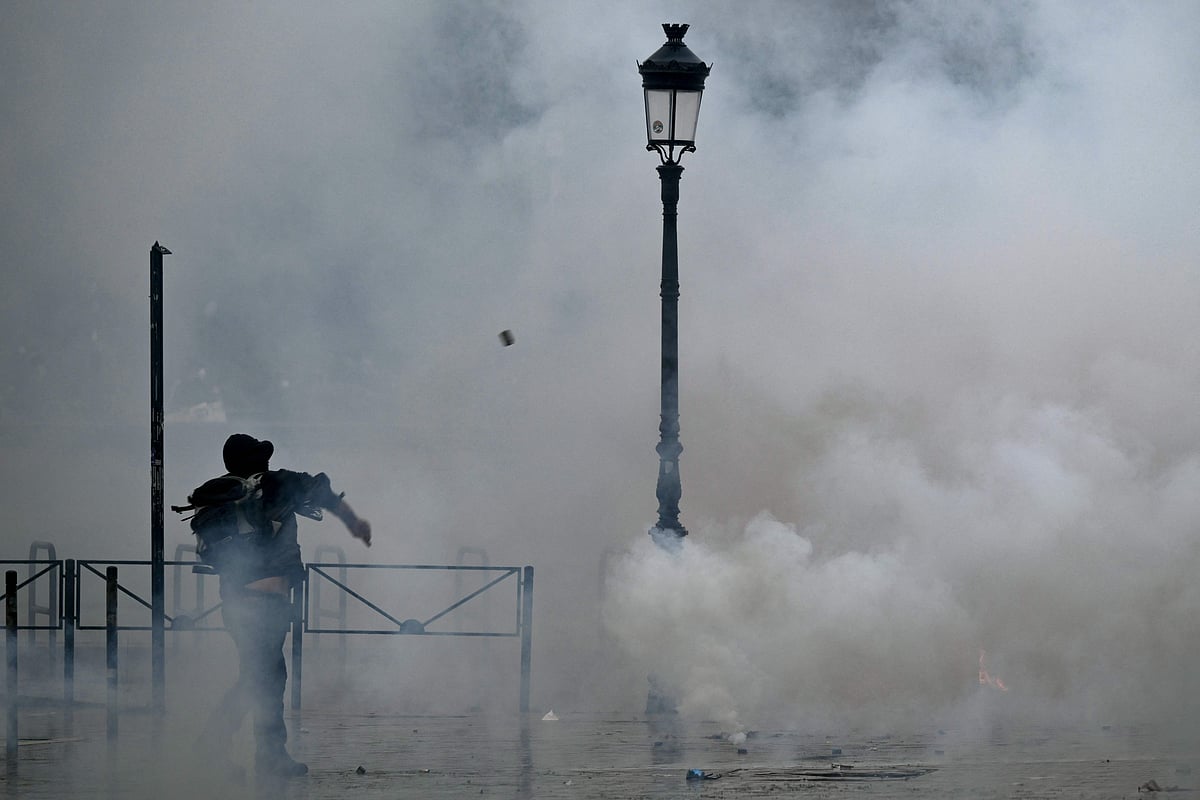
Anti-government protests in Albania’s capital, Tirana, have again turned violent, with more than 300 protesters and police injured in clashes on Saturday, authorities said. It was the fiercest fighting in days. Police fired tear gas and water cannon and used rubber bullets to disperse the crowds.
Protesters attacked several government buildings, and dozens of demonstrators were arrested. Thousands of people had answered organisers’ calls to attend the rally in Tirana, with students joined by people from across Albania. University professors, artists and opposition parties had also announced their support for, or attendance at, the gathering.
Protesters and police have clashed routinely since a significant wave of protests began in mid-October over poor conditions in schools and the cost of living in the small Balkan country. The demonstrations had calmed in recent days, but Saturday’s rally escalated the situation again. The Ministry of Education has become a focal point of the rallies, and on Saturday some in the crowd threw stones and rolled burning bins at the building.
Heightened security had been put in place around the capital on Saturday, with checks carried out on cars heading into the city, local media reported. Even so, thousands gathered, and the clashes spread through important parts of the capital. With more than 300 people injured, the day ranks among the most violent of the current protest wave.
The roots of the anger go back further. Albania has seen intermittent anti-government protests since May, when news emerged of a luxury hotel project linked to United States President Donald Trump’s family. Since then, public anger has broadened into a push against corruption and the high cost of living, with protesters calling for the resignation of Socialist Prime Minister Edi Rama.
Prime Minister Edi Rama has blamed foreign actors for the violence, accusing Russia and Iran of driving online misinformation. At the same time, he has called for dialogue. On Saturday, red cushions were laid outside the government headquarters in a symbolic gesture for talk and dialogue, but protesters later set the cushions on fire, turning the gesture into a symbol of how far apart the two sides remain.
The protesters’ anger is not aimed only at the government. They blame the entire political class for the crisis, and some were seen carrying signs criticising Rama’s opponent, the centre-right leader Sali Berisha, as well. For at least part of the crowd, the demand is therefore not just a change of government but a rejection of the existing political order.
In the small Balkan country, school conditions, prices and corruption have become woven into a single grievance. Although rallies gather around the Education Ministry, the demands reach deep into the economy and the system of governance. Support from opposition parties, professors and artists has widened the movement well beyond a student protest.
The government’s call for dialogue contrasts sharply with the scenes on the street: burning cushions, attacks on government buildings, and police answering with tear gas and water cannon. The prime minister’s claims of foreign interference have made the dispute still more political without directly answering the protesters’ demands.
Attention now turns to what happens next in Tirana. If protesters hold firm to their demand for resignation while the government answers with still tighter security, the cycle of clashes could lengthen. Whether the large number of injuries and arrests calms the streets or fuels further anger is the central question for the days ahead.