Protests Return Across France Despite Bans: Tear Gas in Several Cities, 135 Arrested
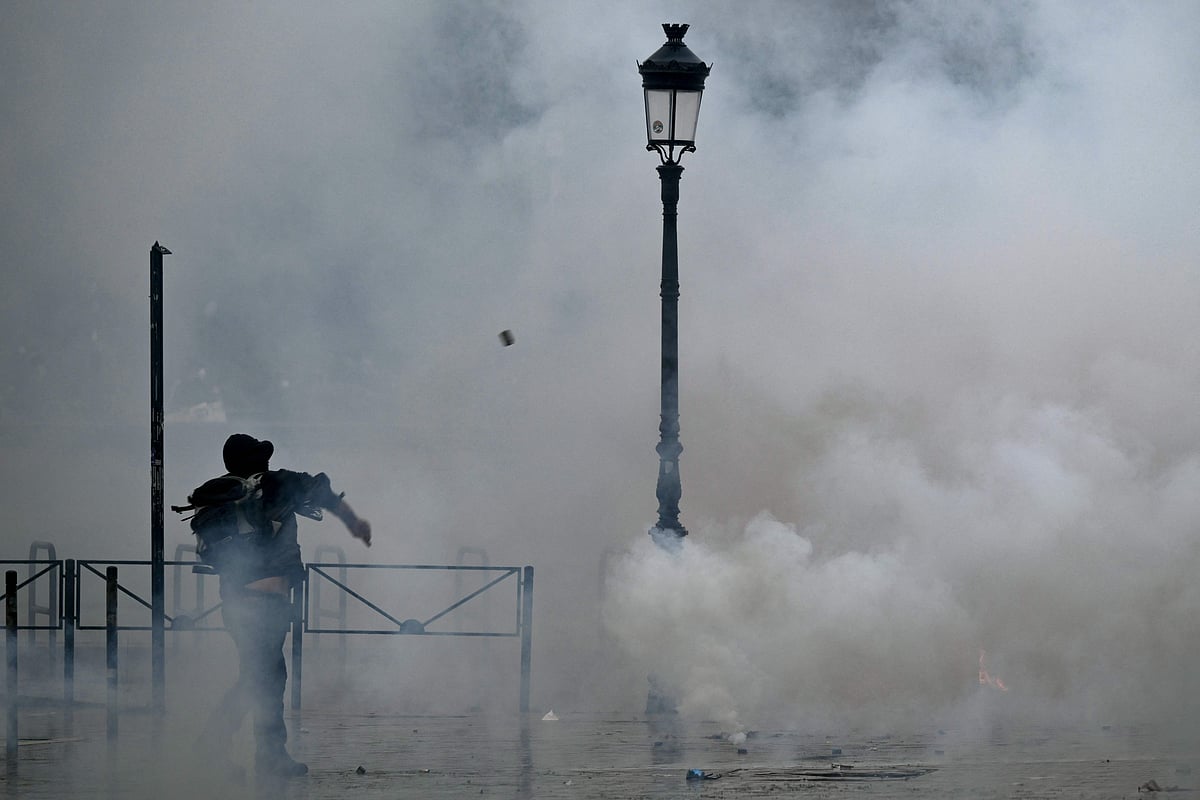
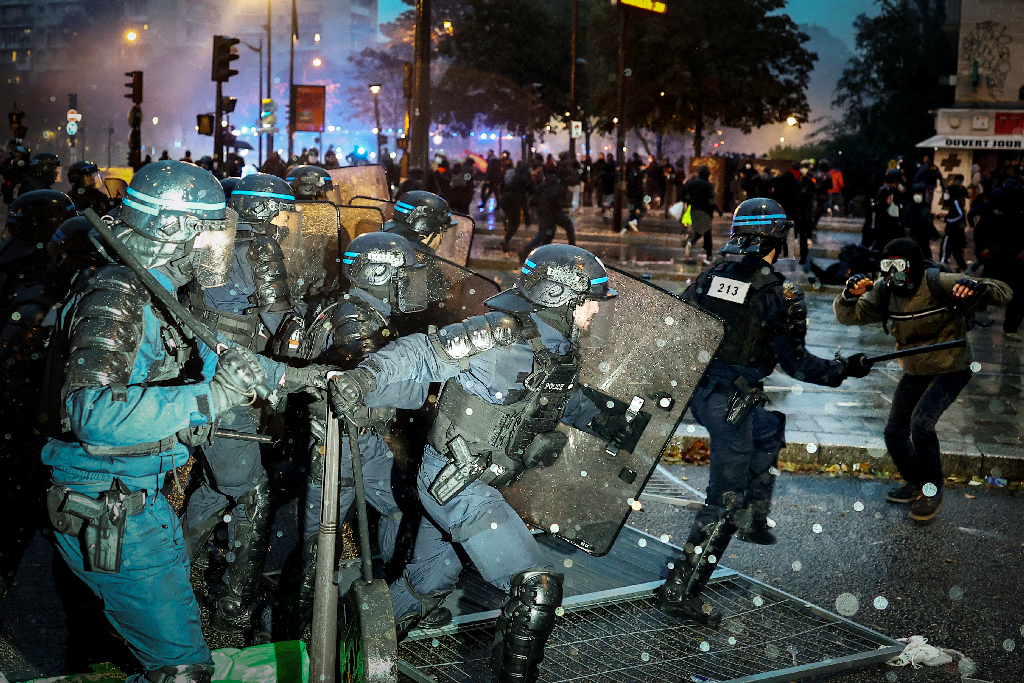
Students, young people and people from various professions took to the streets across France again on Saturday in pre-announced protests held despite bans in place in several cities. Police used tear gas to disperse protesters in Lyon, Nice, Toulouse and several other cities. At least 135 people had been arrested by local noon in connection with the protests. The situation in the capital, Paris, remained calm until noon.
The movement began last month, when students first protested over a shortage of teachers and dilapidated school infrastructure. Gradually, trade unions and people from different walks of life joined the movement, driven by dissatisfaction over the rising cost of living and crises in various public services.
On October 17, those protests turned widely violent. Incidents of vandalism, arson and looting occurred in various cities, and the authorities imposed a curfew to bring the situation under control. Although calm returned afterwards, student organisations and trade unions announced they would continue the movement.
The government held meetings with student and labour organisations over the past few days, but no solution emerged. Protesters therefore returned to the streets on Saturday, bringing France's roads back to the centre of the movement within the space of a week.
Beyond France, protests over the rising cost of living, corruption and other demands have taken place in at least 10 European countries over roughly the past week. Protests were also held in Spain and Albania yesterday. Security has been stepped up in Italy around a new programme of action, and thousands protested in Turkey against the arrest of journalists and the closure of media outlets.
Around 70,000 police and other security personnel were deployed in cities across France for Saturday's programme. At local noon, Interior Minister Laurent Nunez gave initial figures, saying about 35,000 people had joined 136 protest programmes. He said 135 people had been arrested by noon and that no major incident had occurred by then.
However, Al Jazeera and AFP reported that police fired tear gas shells to disperse protesters in Lyon, Toulouse, Nice and several other cities. In Lyon, tear gas was used to disperse about 150 people who tried to block a road in an area covered by a ban. Police also dispersed several hundred people in Nice, and people gathered in Bordeaux despite a ban there.
The protesters' complaints are specific. Many school buildings are dilapidated, teachers are forced to work extra hours for low pay, and classrooms hold more students than they are meant to. They want solutions to these problems. They are also demanding the abolition of the online university admission system, Parcoursup, alleging a lack of transparency.
In Paris, labour organisations including the CGT and CFDT called protests in support of the students. Alongside students and young people, employees, retired people and many who came with family members joined. Thousands gathered from the morning on a main road in Marseille for a march, while in Lyon protesters moved forward chanting slogans and singing beside rows of police.
Muriel Gilbert, a representative of the Solidaires labour organisation, said there is enormous anger among people in this country, and that wages have still not been raised to the level they should have reached. On Friday evening, French President Emmanuel Macron met for two and a half hours with 20 student representatives. Student organisations say the president promised to reform the admission system, but they are not satisfied with that.
To prevent violence, 10,000 more police and paramilitary personnel were deployed this time than before. Armoured vehicles, helicopters and water cannon were kept ready. Interior Minister Nunez said searches before the protests began recovered fireworks, metal balls, slingshots and other items that could be used as weapons. He alleged that some far-left groups want to turn the protests violent. Macron has also blamed far-left groups for the previous week's violence.
There was also a dispute over the route of the Paris march. At the last moment, police ordered the march to start from Porte d'Italie in the south-east rather than the central Bastille area, arguing that many businesses on the earlier route could come under attack. Labour organisations reluctantly accepted the new route. No organisation or platform other than the labour organisations was given permission to protest, which Gilbert called shameful. Various organisations allege that this curtails the right to protest.
Fearing vandalism, many shops in different cities boarded up their windows with wooden planks. Major cultural institutions including the Louvre, Orsay and Picasso museums were kept closed, and more than 20 metro stations in Paris were also shut. After teenagers were injured in recent clashes, fear is also present among participants. Ella, a 17-year-old student in Toulouse, told AFP she fears what could happen to her at a protest, but that they cannot give up. Claire, a 26-year-old nurse who joined the protest in Paris, said not everyone came to vandalise; some came only to say they want a better future.
Paris may have stayed calm until noon, but France's crisis has not been resolved. With no solution from meetings with the government, student dissatisfaction with the president's promise, and controversy over permission to protest, there is still no clear sign that the movement is ending. Attention will now be on what programme of action comes next.