Alberta Voters Say No to Leaving Canada: Separation Proposal Rejected in Referendum, Unity Wins
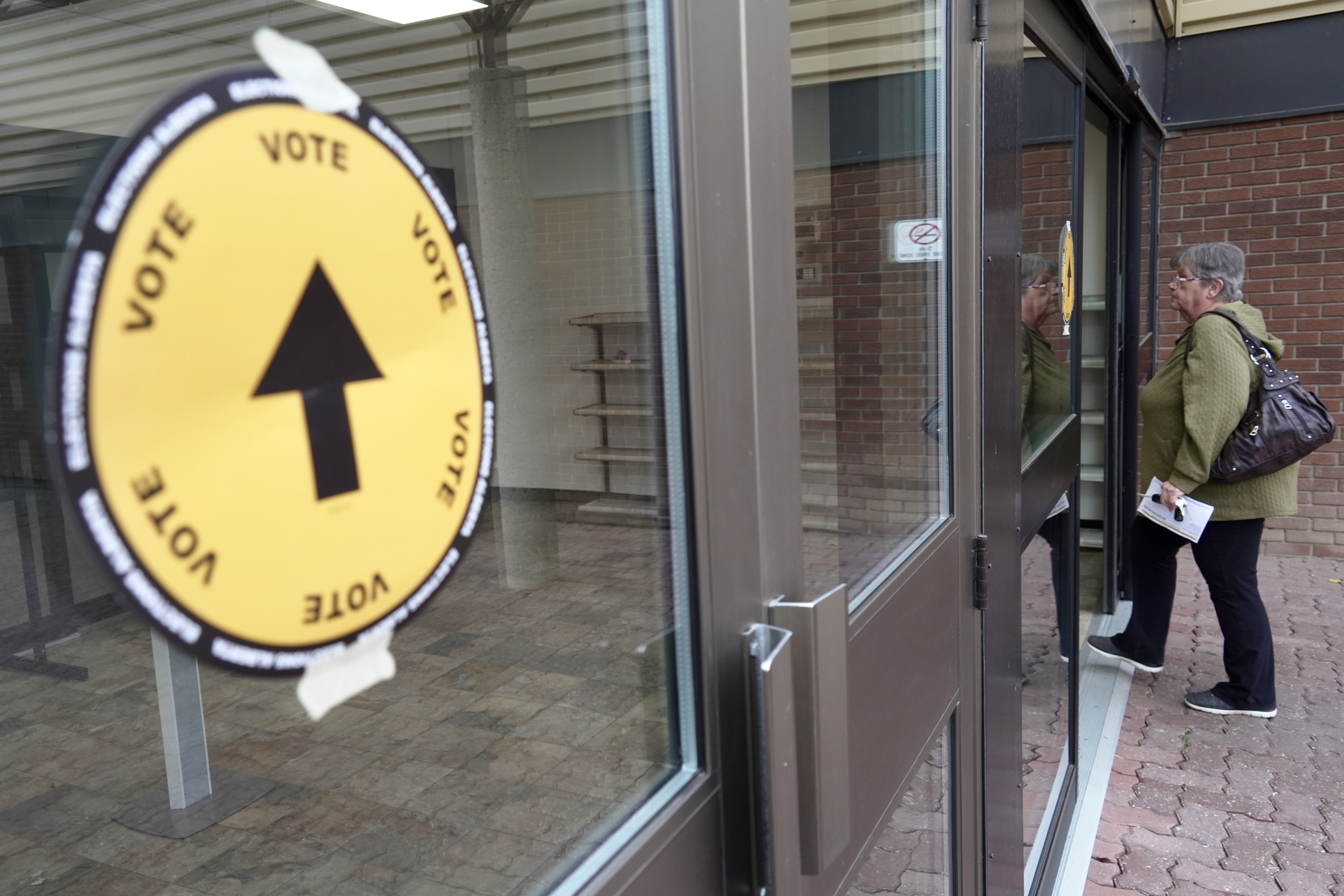
Voters in Canada's oil-rich province of Alberta have rejected a proposal to begin a process toward independence. Results of Monday's referendum showed that about 76 percent of voters backed remaining in Canada, while only 23 percent supported starting a separation process. The picture became clear early Tuesday after more than one million votes were counted. Canada's national broadcaster CBC projected the same outcome.
The result is being seen as a major victory for Prime Minister Mark Carney and supporters of Canadian unity — especially at a time when US President Donald Trump's trade war and his threats to make Canada the 51st US state have strained relations between the two countries.
Notably, the vote was not a direct referendum on independence. Voters were deciding whether Alberta should remain in Canada or begin a legal process that could lead to a second vote on separation in the future. Even for separatists the point was frustrating, because the question was not explicitly about independence.
Thomas Lukaszuk, a former Alberta deputy premier who led the Forever Canadian campaign against separation, told supporters: "We are a solid country that's united from coast to coast to coast."
The results were delayed. Late openings forced more than 100 polling stations to extend voting hours on Monday, pushing results back by more than two hours. There were around 1,400 polling stations across the province.
Turnout was also notable. According to Elections Alberta, more than 1.35 million Albertans — about 43 percent of eligible voters — had already cast advance or special ballots before Monday. That figure pointed to a potentially higher overall turnout than the province's last referendum in 2021.
In total, 10 questions were put to Albertans on Monday. Besides the separation question, the others covered issues including immigration, healthcare, education and the province's constitutional powers. Elections Alberta said the remaining results could take days to count.
In the days leading up to the vote, provincial leaders and federal politicians crisscrossed the province campaigning for a unified country. Prime Minister Carney, who grew up in Edmonton, warned voters at a rally last Friday: "Vote like Canada's future depends on it because it does." He added that a vote against Canada is a dangerous bluff that will lead to years of deep uncertainty and lost opportunities.
Conservative leader Pierre Poilievre, whose parliamentary seat is in the province, told supporters that Albertans were not "quitters". In his words: "Canada is more than a government. It is a people, a flag, a land, a history and a promise."
Alberta is home to the world's fourth-largest proven oil reserves. The political culture of this cowboy country and conservative stronghold has long had more in common with the American West than with much of Canada. Resentment toward Ottawa runs deep there, although it has not traditionally translated into widespread support for independence.
Voters' voices reflected that mixed picture. Dustin Degenhardt, a voter in Wainwright, said Ottawa has long treated Alberta like "a colony". Another voter from the same area, Taylor MacIsaac, voted for separation, saying it would be good for Alberta to separate. On the other hand, Dave Malka, 59, of Edmonton criticised spending money on a "referendum on a referendum" instead of health care, saying that with Trump threatening Canada, people should be united rather than fighting among themselves. Jake Graham, 35, of Calgary hoped the result would squash the debate for a long time.
Premier Danielle Smith, although herself opposed to independence, called the referendum amid pressure from separatists within her governing United Conservative Party. She had cited a poll showing just 22 percent support for separation, a figure she said was still too high. She said publicly that she would vote to remain in Canada, but would not require her party's elected members to do the same.
Former premier Jason Kenney said separatist parties traditionally attracted only 1 or 2 percent of the vote. In his view, anger over COVID-19 restrictions mobilised activists who later embraced the separatist movement. Despite the proposal's failure, separatist leaders say they have turned a fringe cause into a movement that will not disappear. Separatist advocate Jeff Rath said he would be thrilled if 30 percent of Albertans voted to begin the separation process.
Calgary mayor Jeromy Farkas, a staunch opponent of the independence movement, said before the results that uncertainty could lead to capital flight, and that the city's "best future is here, as a Canadian city". He added that the separatist movement sees this as a long-term project, so no result will permanently put it to bed.
All in all, while the result has dealt a major blow to Alberta's separation debate for now, the political calculation suggests that the province's internal divisions and its old tensions with Ottawa will not vanish any time soon.