Two-thousand-year-old iron hoard found in the Danube in Austria, enough metal for about 500 swords
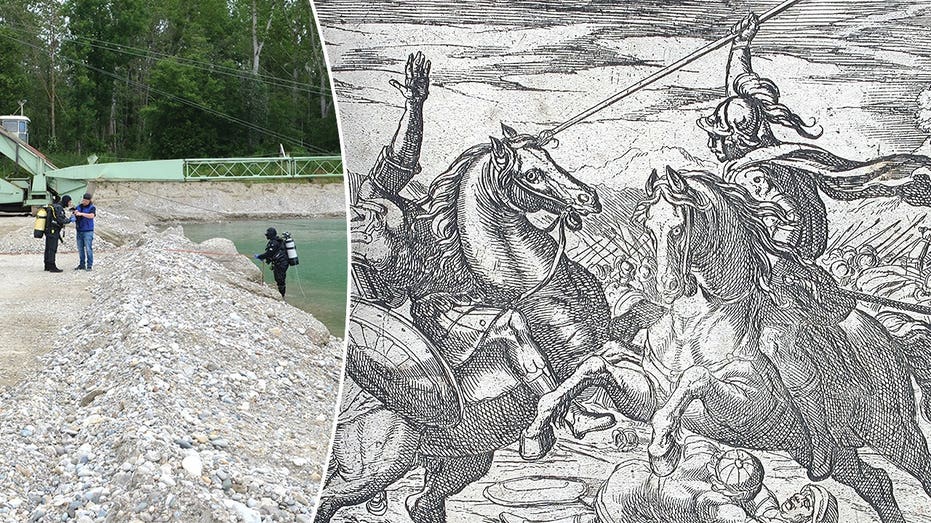
A huge hoard of Iron Age iron bars has been found in an old, silt-filled channel of the Danube River in Austria. Archaeologists say it is the largest known collection of Iron Age iron bars in Europe. At least 500 bars were recovered, weighing more than a metric ton in total. By the researchers' estimate, the iron could have been used to forge roughly 500 swords.
The hoard was first found in 2019. Gravel workers in Deinham, Austria, came across the bars during extraction work in an old channel of the Danube that had filled with silt. Researchers have called the collection a 'rusty treasure'. At a time when iron production and trade were expanding across Europe in the Iron Age, such cargo would have been extremely valuable.
Peter Trebsche, a professor at the University of Innsbruck in Austria, said the gravel workers fortunately reported the find to the Monuments Authority and did not sell the bars to a scrap dealer. He said the finders donated the extraordinary trove to a state museum collection, and he called the discovery 'nothing short of a minor miracle'.
Radiocarbon dating indicates the bars likely date to the third or second century B.C. — more than 2,000 years ago. Counting each sword at between 3.3 and 4.4 pounds, the researchers estimate the iron could have produced about 500 swords. Trebsche noted, however, that the 500-sword figure is only an estimate; the iron could instead have been used to make tools or jewellery.
Where the cargo was headed remains unknown. Researchers believe the iron may have been forged in Bavaria, Germany, and was being transported along the Danube. Trebsche said a shipwreck is the most plausible explanation for how the bars ended up in the river, although no remains of a vessel were found.
Trebsche said that section of the Danube poses dangers to navigation, including stone balls and sand banks, and no parts of a ship were recovered. He added that none of the finds shows signs of intentional destruction, which would have pointed to a ritual offering during the Late Iron Age.
In Trebsche's view, the most surprising aspect is the sheer quantity of iron being transported at once. The amount from Deinham is about ten times larger than the largest iron hoard finds of that period, and he said so much iron being available for a single trade transaction in the Late Iron Age was remarkable.
The research was published earlier this fall in the journal Antiquity by Trebsche together with archaeologist Marion Berranger. The researchers said the scale of ancient iron production has been difficult to measure because iron objects are often overlooked or difficult to date, and the numerous double-pointed iron objects found during gravel extraction along the Danube offered a unique opportunity to investigate large-scale prehistoric iron production and trade.
Trebsche said the finding demonstrates the increased capacities of iron production reached in the third and second centuries B.C. in the Danube region.