
Britain's New 'Respect Orders' Bring Town-Centre Bans and Unlimited Fines, Sparking a Free Speech Row
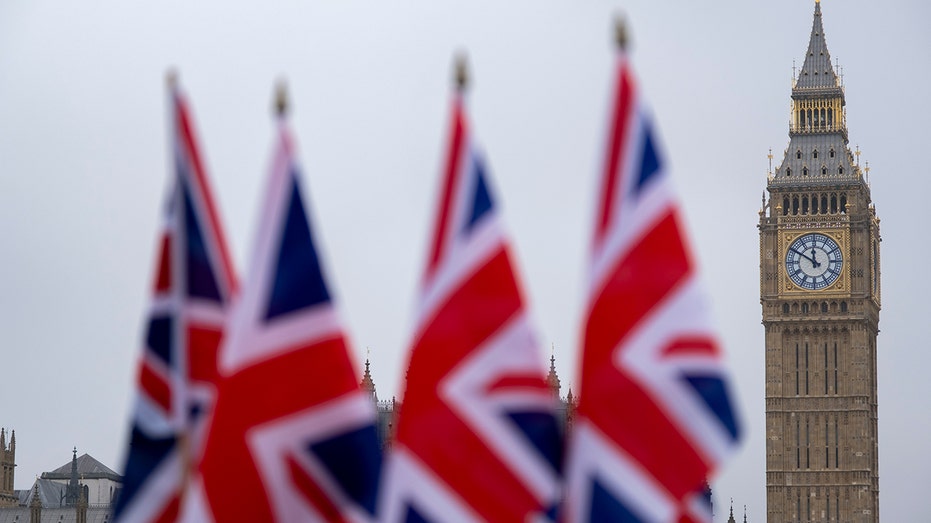
The United Kingdom introduced new 'Respect Orders' across England and Wales on Monday, giving authorities expanded powers against adults who persistently engage in 'anti-social' behaviour — and drawing criticism from free-speech advocates concerned about potential government overreach.
According to a government news release, the orders enable police and councils to take stronger enforcement action against adult offenders whose anti-social behaviour persists.
Under the new restrictions, courts could ban offenders from town centres or prohibit them from drinking in public hotspots such as local parks. Courts can impose restrictions and requirements through a civil Respect Order.
Anyone who breaches an order without a reasonable excuse can face criminal prosecution, including potentially unlimited fines or imprisonment. According to the announcement, those who defy an order could also face up to two years in jail.
Violating a respect order is a criminal offence, giving police the power to arrest anyone on charges of breaching the rules, the release said. The new orders replace civil injunctions for adult offenders.
Under the governing legislation, anti-social behaviour is defined as conduct that has caused, or is likely to cause, harassment, alarm or distress to any person. Critics fear the definition could allow the powers to be applied too broadly, although the law requires judicial approval before an order can be imposed.
Some offenders may also be required to tackle the root causes of their behaviour by taking part in drug or alcohol treatment or anger-management programmes, according to the announcement.
Home Secretary Shabana Mahmood said in a statement that unchecked anti-social behaviour blights communities, but it is not inevitable and she will not accept it. For too long, she said, the powers needed to deal with the problem properly were lacking; from today that changes, and authorities will be able to take tough action. She said the move delivers on a manifesto commitment to the British people, and that those who make life a misery for others will now face the consequences of their actions.
Greg Lukianoff, president of the Foundation for Individual Rights and Expression (FIRE), however, described the state of affairs in the United Kingdom as a 'free speech disaster'.
Alan Mendoza, co-founder and executive director of the UK-based Henry Jackson Society think tank, said on Tuesday that 'vague' definitions under the respect orders could result in enforcement being wrongfully applied to lawful speech or protest. Pointing to the potentially unlimited fines, he said the breadth of the orders deserves scrutiny.
Mendoza said the government has a legitimate duty to tackle genuinely antisocial behaviour, but the powers need to be tightly defined and proportionate, warning that vague or elastic definitions could allow measures meant for serious nuisance or harassment to be applied to lawful speech or protest. He called for clear statutory limits, proper evidence requirements, judicial oversight and an effective right of appeal, adding that online criticism, however unwelcome, should not be treated as antisocial behaviour simply because it is unpopular or embarrassing to those in authority.
Tech and free speech lawyer Preston Byrne wrote on social media that residents should keep in mind that in England and Wales one can cause 'harassment, alarm or distress' by uttering a true statement of fact to someone who does not want to hear it, or by offering an honestly held opinion that also offends. Many others on social media sharply criticised the orders.
The new restrictions follow a spate of UK laws in recent years restricting free speech, including the 2023 Online Safety Act, which gives the country's regulator authority to impose major fines on digital platforms that fail to comply with certain requirements.