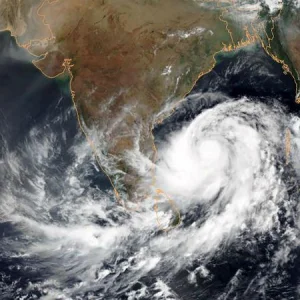
Bay of Bengal depression may strengthen into a severe cyclone, signal No. 1 at four seaports

A depression formed over the Bay of Bengal may gather strength and turn into a severe cyclone, according to weather-related reports. Because of the depression lying over the sea, four of the country's seaports have been asked to hoist cautionary signal No. 1. All coastal attention is now fixed on this weather situation.
As a depression transforms into a cyclone, sea conditions change step by step. The more strength it gathers, the greater the concern over the storm's intensity. This depression is feared to become a severe cyclone — the biggest warning for the coastal region.
Hoisting cautionary signal No. 1 at the four seaports means the sea weather situation is under watch and those concerned have been asked to remain alert. For port activities and vessels moving at sea, the signal is an initial warning.
With the cautionary signal in force, fishing boats, trawlers and other vessels at sea must keep an eye on the situation. If the weather worsens further, the signal level may rise — at which point vessels have to move towards safe shelter near the coast.
The news also matters for residents of the coastal districts. If a severe cyclone is feared, effects such as storm surge, heavy rain and gusty winds can hit the coast. Although the storm's final track and intensity will only become clear with further observation, the cautionary signal is the first step in preparedness.
Depressions and cyclones forming in the Bay of Bengal at this time of year are not unusual. In this post-autumn season, weather systems born over the sea often gather strength and advance towards the coast, making extra vigilance necessary in coastal settlements.
Alongside the signals at the seaports, local administrations and disaster-management officials also have to monitor the situation. If the signal level changes, further instructions follow accordingly, and coastal people must abide by them.
So far, the depression remains over the sea and the process of gathering strength continues. Which way it will move and with what intensity it will approach the coast will become clearer in the observations of the coming hours.
In this weather situation, fishermen and vessel owners must exercise extra caution in deciding whether to go out to sea. Staying at sea while ignoring a cautionary signal can be dangerous — in such circumstances, safety takes priority.
Coastal people hope the storm will not strike in a severe form. But with the fear now voiced, local preparedness and awareness are gaining importance. Everyone's eyes are on the next weather message.
All in all, the Bay of Bengal depression and the fear that it may turn into a severe cyclone is now the country's most important weather story. With signal No. 1 in force at four seaports, every change in the situation is significant for the coast.
The next weather bulletin is expected to give more detail on the depression's position, track and intensity. Until then, obeying the cautionary signal and watching for official instructions remain the most important tasks for the coastal region.