Drought, wildfire and near-record diesel prices squeeze Oregon cattle ranchers
For cattle ranchers in Harney County, Oregon, this year is adding up tough. A long drought, record-size wildfires and diesel prices staying near record highs — three pressures have arrived together.
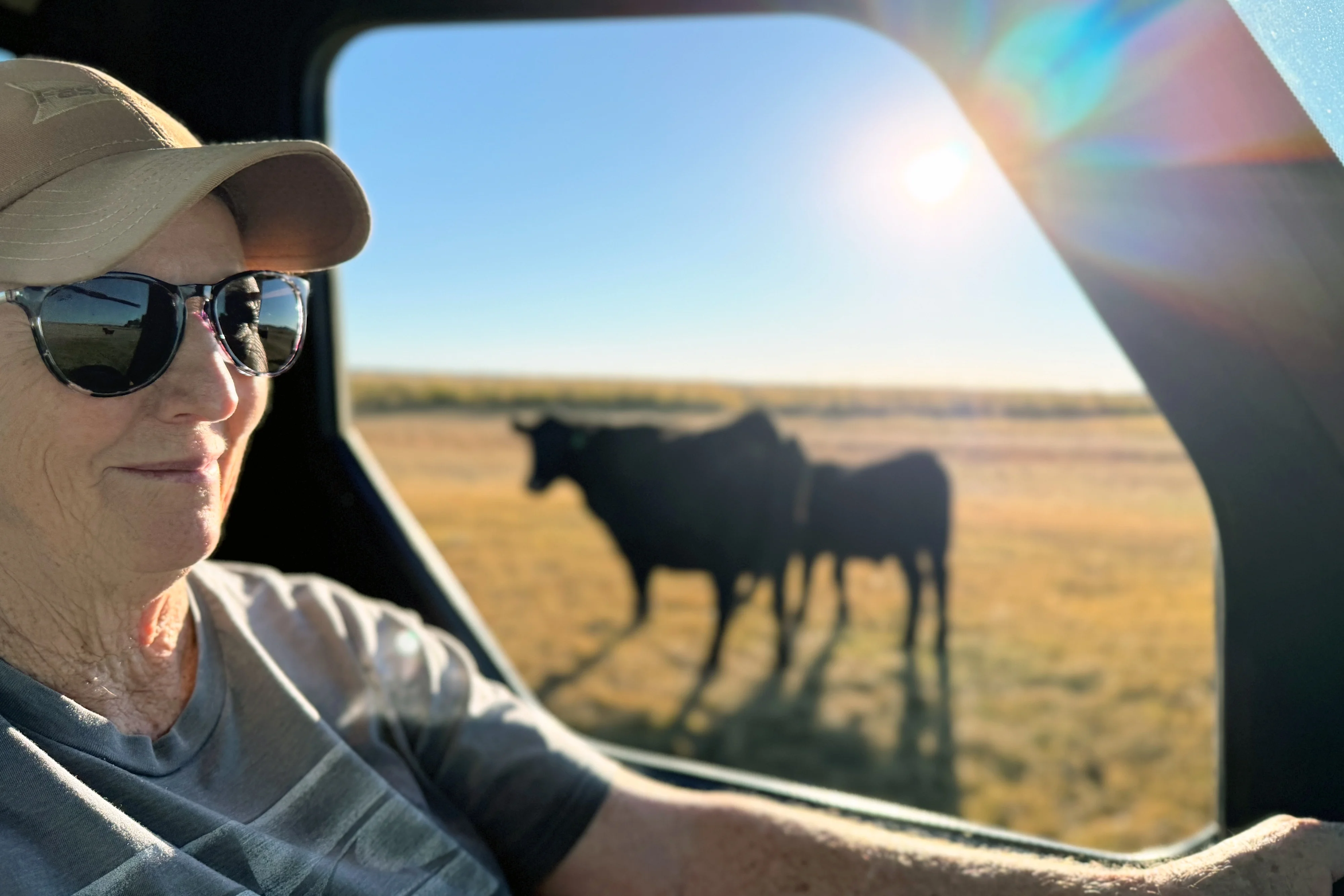
Outside Hines, Katie Baltzor raises black angus cattle. Horses eat hay in an open field and cattle graze with their heads down — behind that calm scene lies a hard calculation of costs. One of her horses is called ‘Gravy’ because of its speckled colours, she said with a smile.
Despite recent actions by President Trump as the midterm elections get closer, diesel prices have remained near record highs. Ranchers in western states were already struggling with persistent drought, and fuel costs have added new pain. In Harney County cattle outnumber people by a lot, so there are many mouths to feed.
Baltzor said: ‘Fuel costs, parts costs, everything has gone up. People say prices have gone up, but calf prices have too. But calf prices still have not kept up with inflation — and so that's what makes it tough for ranchers to keep in business. If everything else goes up and cattle prices don't, you're just spinning your wheels a bit — you better like what you do.’
With her husband Keith, Baltzor had just ridden a bunch of cattle down Highway 205 on horseback from another pasture. They were moving them closer to home to pregnancy-check the mother cows and give all the cattle and calves vaccinations and dewormer. On the way, cars came through the herd and a woman got out of her car and scared the cows, she said.
This summer, the mountain places where she typically ranges her cattle were ravaged by record-size wildfires, robbing them of grass. She and hired riders had to go through heavy smoke into the mountains to extract cattle from the path of the fires. ‘So all our cows, instead of coming home the second week of September, we had to bring them home the third week in July,’ Baltzor said. ‘Other folks had to do the same.’
It will take time until the mountain grass comes back. In some areas where neighbours' ground was burned, it has taken years to return animals to graze, she said. ‘Where are we gonna run cows?’ she said. Some burned allotments cannot be used again for a couple of years, and because so many acres burned in Harney County, the issue is not theirs alone.
With no grass, ranchers need hay, but the drought that set the stage for the fires dried up her hay meadows too. ‘The meadows were very short,’ Baltzor said. ‘Some of them got some water and you were able to cut a little bit. Some of them didn't even get water and you couldn't even cut some of the fields.’
Here high diesel adds up tough. Haying takes several passes with a tractor — cut it, turn the windrows to dry, then bale and stack them. Each fill of the tractor with diesel now costs about $300. To save cost they rakebunched — raking pasture hay into piles and leaving it in the field, using the tractor fewer times. But that will leave them short of hay later.
The bigger problem is next year. ‘If we don't get the precipitation, then we don't have the irrigation water and then we'd be looking at purchasing hay,’ Baltzor said. Buying hay can mean driving long distances or having it delivered in big trucks that burn a lot of diesel.
The price of beef in the supermarket is also way up, and ranchers can sell calves for pretty good money now. Yet the calculation is not simple — keeping a heifer means two years before she has a calf, a longer-term investment. They have switched to gas pickups to save a little on diesel, but every ranch has a different break point depending on vehicle, cow or land loans.
Baltzor and her husband worked outside jobs for years to build their herd and accumulate land, and because they worked hard not to have debt, she believes it will pencil out for them. ‘Nobody gave it to us. We had to find places to rent, and we had to buy cattle. And we had to take out loans,’ she said. Times are lean for many in southeast Oregon, and now winter is coming.