Iran's Plot to Kill US Officials at 'Final Stage': Washington Cuts Embassy Staff, Raises Highest Alert
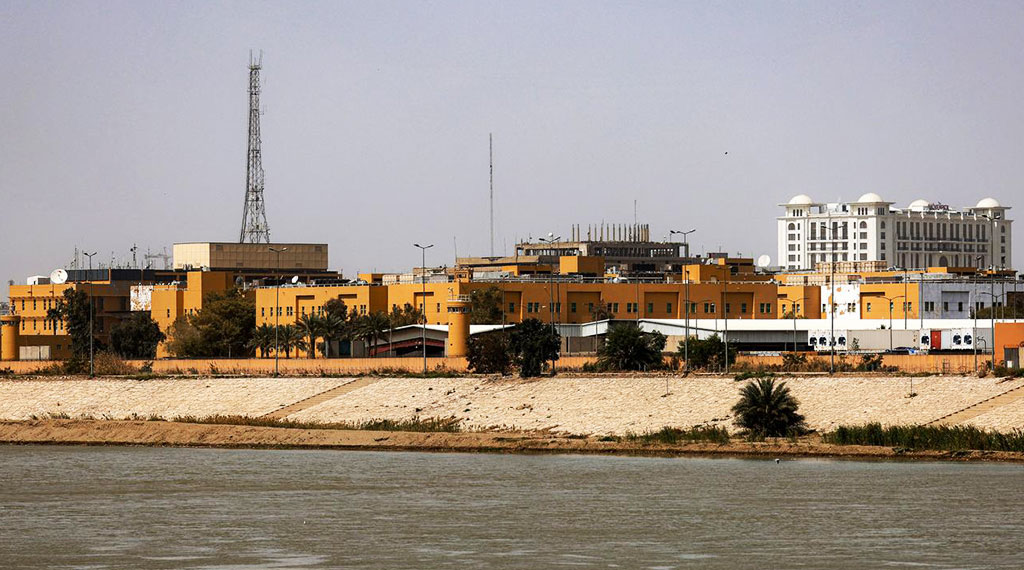
Iran has taken a plan for lethal attacks targeting US officials to an advanced, final stage — after receiving such intelligence, Washington has placed US government personnel on the highest alert in the Middle East and several other regions of the world. At the same time, the United States has taken steps to reduce staff numbers at embassies and consulates. US officials told The New York Times about this on Friday.
The Director of US National Intelligence, J. Clayton, warned of the threat in a memorandum sent to Secretary of State Marco Rubio last Friday. It said Iran has significantly increased its efforts to target US personnel. Plans for attacks aimed at killing American citizens in the Middle East and several other countries have now reached an advanced stage.
On Friday night, the Trump administration confirmed the contents of the memorandum through a US official. The US outlet Axios had reported on the matter earlier. According to US officials, the threat of attacks on Americans in the Middle East and several other countries is now at its highest level since the war began in February.
A US official speaking on condition of anonymity said President Donald Trump and his top aides are being regularly briefed on the growing threat. For the past three weeks, intelligence analysts have been examining information about possible attacks targeting US officials, especially ambassadors posted in different countries.
Some intelligence suggests the possibility of Iranian agents inside the United States as well. Several locations in Europe are also on the list of Iran's possible attack targets, US officials said. The subject line of the memorandum also mentioned plans for lethal attacks against Americans in the Middle East and several other countries.
Another US official, however, said Iran's capability to carry out attacks in the United States and on foreign soil is limited. Its ambition to attack is high, but its capacity to carry such attacks out is comparatively low. The White House made no comment on the matter. Clayton's office and the US Central Intelligence Agency, the CIA, also declined to comment.
A US State Department official said new information about the security situation is regularly assessed when it comes to staffing embassies. Information about a possible attack by Yemen's Houthi forces and Iran's plan for terrorist attacks targeting US officials is influencing decisions to adjust staff numbers at embassies.
That official said US diplomatic missions in the Middle East are already under 'restricted operating status'. Such arrangements are usually made in conflict zones. As a result, it becomes easier to change staff numbers at embassies according to the situation.
The background is long. After the United States and Israel attacked Iran on 28 February, Iran's military retaliated — firing drones and missiles targeting various Arab countries in the Middle East and Israel. Then, on 2 March, the US State Department ordered non-essential staff at US diplomatic missions in Iraq, Jordan and Bahrain to leave compulsorily. At almost the same time, non-essential staff and their family members at US missions in Saudi Arabia were also told to leave the country, because Iran had attacked the US embassy in Riyadh and its surrounding area.
Before the war began, staff at only two US embassies had been permitted to leave their posts voluntarily — in Beirut and Jerusalem. When the intensity of the conflict eased for a time this summer, the State Department allowed some diplomats to return to their posts. Now, with the new threat information, that position is changing again.
Eight months have passed in the war against Iran started by Trump and Israel. The war has sharply raised fuel prices, destabilised economies in various countries, and reduced Trump's public support inside the United States. Last Wednesday, The New York Times reported that the United States and Israel have prepared a plan for a fresh attack on Iran after the US midterm elections, though Trump has not yet taken a final decision. In recent months he has refrained from ordering large-scale attacks on Iran, but the US military has imposed a blockade on Iran's ports to keep Iranian oil and other fuel products off the world market.
US officials said Iran is looking for various ways to strike back against the United States and its allies. In October, after receiving information about a possible Iranian attack threat, 12 US Air Force B-1 bombers were moved from RAF Fairford airbase in southern England — military commanders had received information about a threat targeting that base, and moving all 12 bombers together at once was unprecedented, according to officials.
In Friday's memorandum, J. Clayton said he is taking steps to lower the classification level of some intelligence, so that more US government personnel can be informed about the possible threat. In other words, Washington's calculation is clear — the threat is no longer confined to paper, and over the next few days the staffing arrangements and alert levels at embassies will show which way the situation is heading.