Brazil could join Trump's anti-cartel coalition if Flavio Bolsonaro wins runoff, Eduardo Bolsonaro says
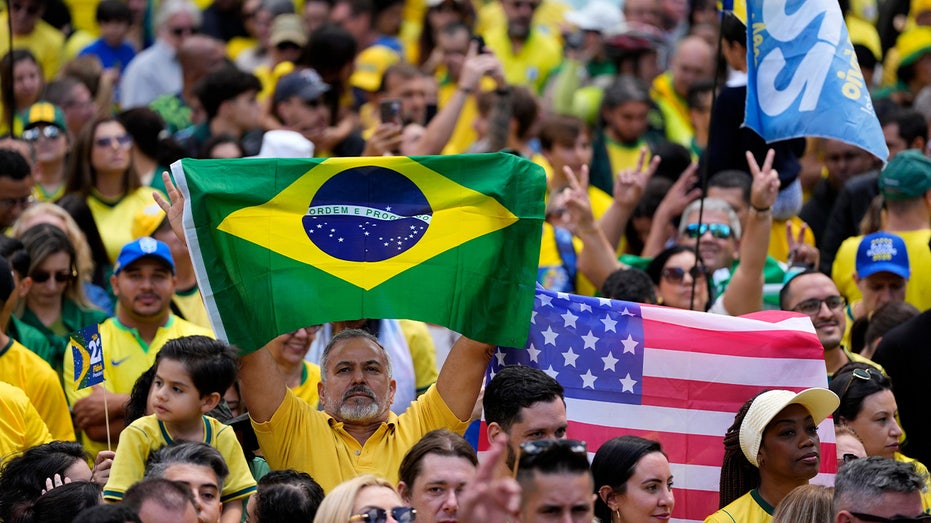
Brazil could join the United States-led effort to combat drug cartels if presidential candidate Flavio Bolsonaro wins the country's 25 October runoff election, according to his brother, Brazilian politician Eduardo Bolsonaro. The remarks have brought fresh attention to Brazil's possible entry into the Trump administration's Shield of the Americas initiative.
The initiative, known as the Shield of the Americas, is designed to expand security cooperation among countries in the Western Hemisphere, including intelligence sharing, military coordination and joint efforts to disrupt cartel financing.
The coalition follows the Trump administration's decision in February 2025 to designate eight major criminal organisations as both Foreign Terrorist Organizations and Specially Designated Global Terrorists. The groups include Tren de Aragua, MS-13, the Sinaloa Cartel, the Jalisco New Generation Cartel, the Northeast Cartel, the Gulf Cartel, La Nueva Familia Michoacana and Carteles Unidos.
Eduardo Bolsonaro told Fox News Digital: 'The main thing that we need to do is fight the cartels. They work together in a lot of countries, so we should fight back then.' He added: 'So I'm sure that, under the leadership of President Trump and the Shield of the Americas, we have the opportunity for the first time' to work together against the cartels.
Brazil has not joined the initiative under left-wing President Luiz Inacio Lula da Silva. Eduardo Bolsonaro said that if his brother's conservative Liberal Party wins the presidency, Brazil would work with the Trump administration to combat the country's powerful criminal organisations.
Brazil's presidential runoff will pit Flavio Bolsonaro against Lula after Bolsonaro led Lula in the first round. He has said he would seek closer security cooperation with the United States and other conservative governments in the region.
The potential addition of Brazil would expand the coalition's presence in South America, where criminal groups such as Primeiro Comando da Capital and Comando Vermelho have become major forces in the regional drug trade.
Other countries participating in the US-led effort include Argentina, El Salvador and Peru. The initiative has also drawn participation from countries including Ecuador, Panama, Paraguay and Chile, according to the State Department.
The coalition's broader goals include combating drug trafficking, disrupting criminal financing and strengthening cooperation among law enforcement and military officials. DEA Administrator Terry Cole has also discussed expanded US efforts to combat drug cartels in Latin America, weighing in on strategic operations, intelligence sharing, training efforts and maritime security measures aimed at disrupting cartel activity.
US officials have repeatedly linked cartel activity to the trafficking of fentanyl and other illicit drugs into the United States. Senator Tom Cotton has also attributed hundreds of thousands of American deaths to cartel-linked drug overdoses.
The 25 October runoff result therefore matters not only for Brazil's domestic politics but also for the future expansion of the US-led anti-cartel coalition. If Flavio wins, attention will turn to whether an announcement of Brazil joining follows.