A Month of Raids Has Changed Cumilla's Nights: Teen Gang Grip Eases, but Fears over Patrons Remain
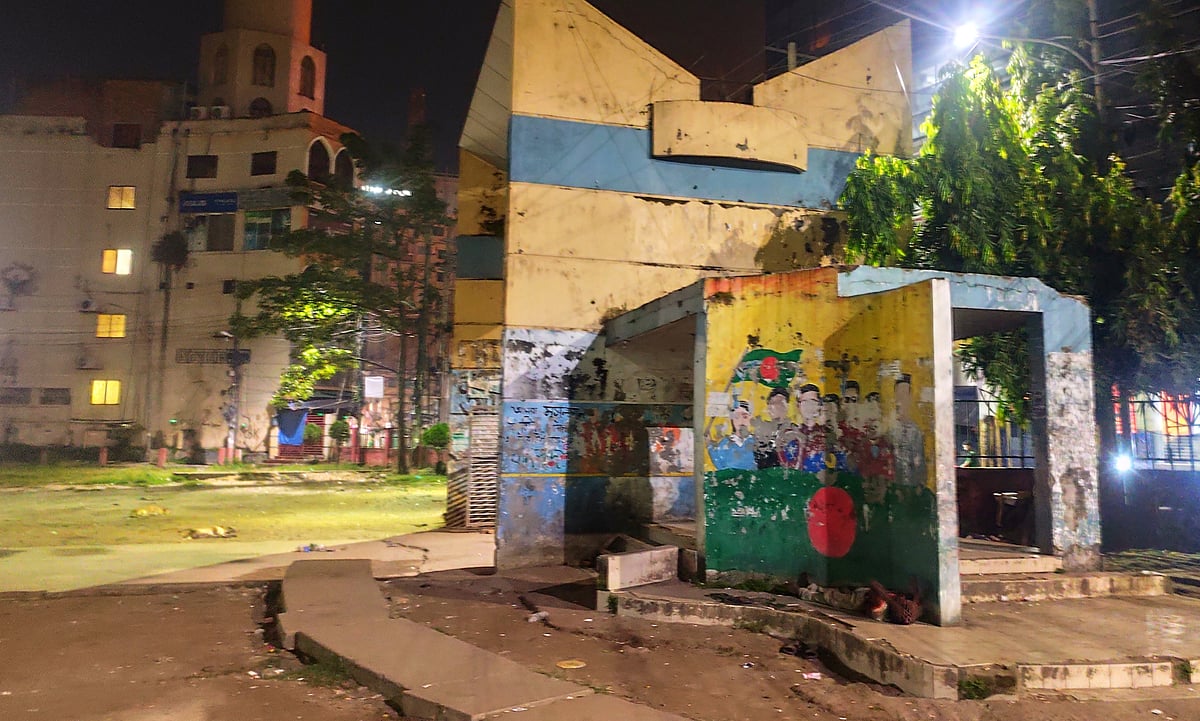
At 1:30 in the night, the area around Town Hall field in Cumilla city's Kandirpar is now completely quiet. Just a month ago, groups of teenagers and young men would gather there and drug sessions would be held openly; the strong smell of cannabis and motorcycles roaring with deafening noise were familiar night scenes. That picture has changed — people can now move around in relief even late at night.
A short distance from Town Hall field is the central Eidgah field at Circuit House crossing. After evening, groups of teenagers would hold drug gatherings at various spots in the field, and the crowds would grow as the night deepened. That scene is no longer visible there.
Similarly, around Cumilla railway station and on various city roads, scenes of groups racing motorcycles with silencers removed, open drug use and all-night gatherings have declined greatly. Such a situation was observed while visiting different areas of the city from 11pm to 2:30am last Tuesday.
Relief has begun to return to the city because of a month of continuous anti-teen-gang operations in Cumilla. However, those concerned say the challenge remains of maintaining continuity in crime control and bringing the gangs' patrons under the law.
The operation began after a tragic incident. On 18 September, school student Ishayat Shahriar Apratim, son of Nahida Begum, an associate professor in the Bangla department of Cumilla University, went missing after leaving home. The next day, 19 September, police recovered his bloodied body from the jungle of Lalmai hill at Sananda in Sadar South upazila. Four people were arrested in the case.
Police investigation and media inquiries found links between the arrested persons and teen gangs. On 23 September, when a special report on teen gang activity in Cumilla was published, discussion began across the country. From that night, police launched simultaneous anti-teen-gang operations at all 18 police stations in the district.
In one month of operations up to last Thursday, 3,412 people were detained. Of them, 2,386 were released into their families' custody after taking undertakings. Legal action was taken against the remaining 1,026. Leaders of several notorious teen gangs in the city were also arrested in the operation; the list includes Imran Hossain alias Ratan, chief of the 'R Squad' or 'Ratan Group'.
Cumilla's Superintendent of Police Md Anisuzzaman says night gatherings and drug use have fallen greatly after the continuous operation. There is no leniency regarding teen gangs. Police are also receiving cooperation from ordinary people and guardians, and the work has been made part of the police's daily routine.
Cumilla district police media officer and Additional Superintendent of Police Md Lutfar Rahman says the month of continuous operations has largely neutralised teen gang activity. However, police do not consider this the final stage of eliminating crime; the operation will continue as part of regular activities.
Ordinary people also describe the change. Mosharraf Hossen, a battery-run auto-rickshaw driver in the Chawkbazar area, says he has driven at night for 15 years; several times groups of youths stopped him and took everything, and even a month ago he feared entering lanes at night. Now he is no longer afraid; in his words, the bad youths are all in jail and the police have done one good job. Ershad Mia, a tea seller at Town Hall field who has sold tea and cigarettes there at night for more than two decades, says crowds of youths used to stay all night; sales have fallen now, but he no longer fears selling at night and no longer smells cannabis — and that feels good.
Professor Nikhil Chandra Roy, president of the Cumilla chapter of the Conscious Citizens Committee (Sanak), believes that if law enforcement agencies had shown such activity earlier, the gangs would not have had the chance to spread so much. In his view, criminal activity in the city has fallen over the past month compared with before; the question now is how long this change lasts. To sustain it, continuity must be maintained and patrons must be brought under the law.
Shah Mohammad Alamgir Khan, president of Shujan (Citizens for Good Governance) in Cumilla, made a similar comment. He believes political shelter is one of the reasons teen gangs spread; some second- and third-tier figures in political parties use the gangs to build muscle power. He called for action against them. Superintendent of Police Md Anisuzzaman has also said action will be taken against any elder brother figures or others found involved behind the teen gangs; those against whom no proof of involvement in crime is found are being handed to guardians after verification. He advised guardians to keep track of their children's movements after evening and to make them attentive to their studies.