Serbia's Vucic Concedes Snap Election Defeat to Student-Led List After Highest Turnout in 30 Years
Serbia's longtime leader Aleksandar Vucic has conceded defeat in snap parliamentary elections to a student-led movement that led protests against him for almost two years.
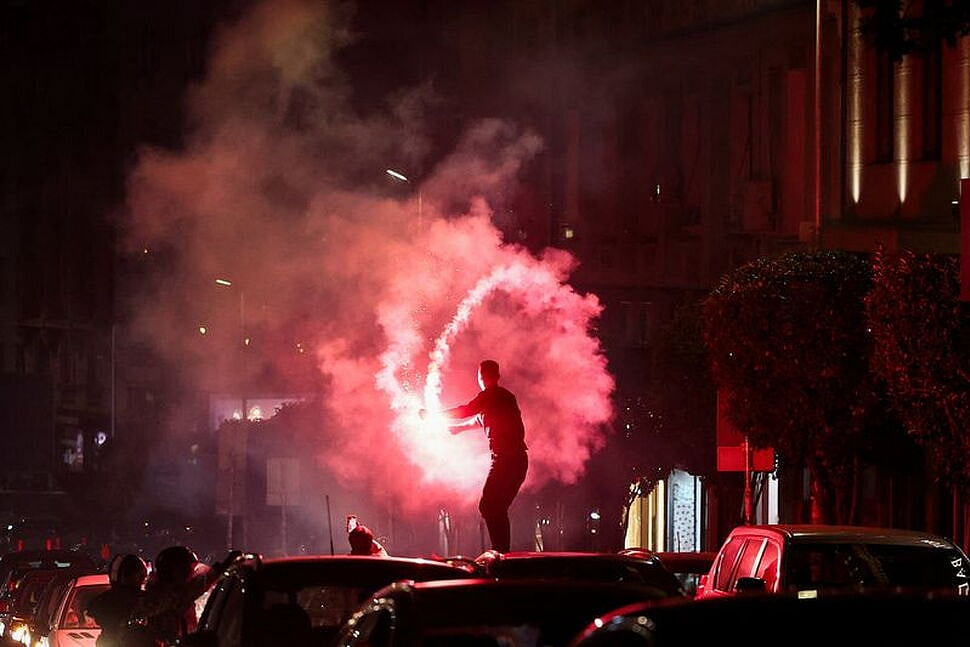
Sunday's elections saw voter turnout reach its highest level in more than 30 years, and after a heated race Vucic conceded defeat to the Student List.
'It is clear that we have lost these elections,' the leader of the Serbian Progressive Party (SNS) told supporters, after a sample of votes showed his electoral list was expected to win 105 seats in Serbia's 250-member parliament, compared with 135 to 140 for the Student List.
The student movement emerged after 16 people were killed when a train station canopy collapsed in the city of Novi Sad on November 1, 2024.
The youth-led protests grew into a broader wave of social unrest and evolved into the Student List political platform, which promised to tackle corruption, depoliticise public institutions and restore citizens' rights.
During the election campaign the movement was led by Ilija Srdanovic, a professor at the Faculty of Medicine in Novi Sad. Vucic referred to the demonstrators, who included university professors, doctors and workers, as 'blockaders' and accused them of seeking to destabilise Serbia.
Born in Belgrade in 1970, Vucic entered politics in 1993. He and Tomislav Nikolic founded the SNS in 2008 after a split in the Serbian Radical Party, and the new party sought to move closer to mainstream European politics.
Vucic served as first deputy prime minister from 2012 to 2014 before becoming prime minister in 2014. Three years later he became president of Serbia and won re-election in 2022, with a term due to run until 2027.
Under pressure from the student-led protests, he resigned in September and called early elections. Although the Serbian presidency is constitutionally limited, Vucic retained a dominant influence over his party and state policy.
Serbian journalist Safeta Bisevac told Al Jazeera that Vucic made many promises and fulfilled few, while establishing almost complete control over the state apparatus. Political scientist Dusko Radosavljevic said the students simply gave a voice to the justified anger of citizens.
Economically, unemployment in Serbia dropped from 26 percent to 8 to 9 percent under Vucic, nominal gross domestic product nearly tripled to about 90 billion euros, and annual foreign direct investment rose from about 800 million euros in 2012 to a record 5.2 billion euros in 2024, according to official data cited by Reuters. Rising wages, however, have not necessarily translated into a proportional improvement in living standards, and the rising cost of living and public debt remain part of the debate.