
Israel stages 48-hour large-scale drill in north and centre two days before election, analyst warns of miscalculation
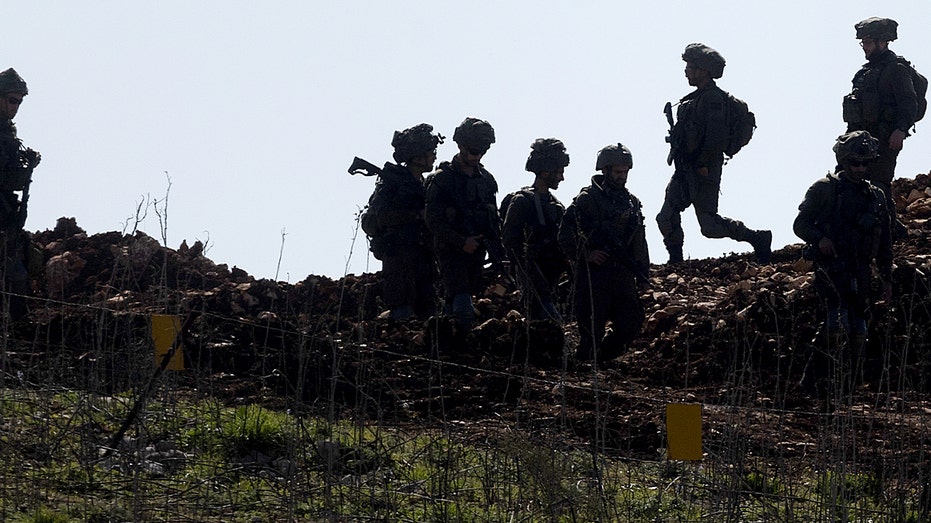
The Israeli military on Sunday launched large-scale exercises across northern and central Israel. The drills, intended to counter surprise border infiltrations and ground raids, are set to continue over 48 hours and mobilize multiple divisions and air assets amid rising regional tensions.
According to the Israel Defense Forces (IDF), the exercise involves the Northern Command's 210th Division, the West Bank Division, and the Central Command's 98th and 96th divisions, alongside the Israeli Air Force.
The drills come just ahead of Israel's elections on October 27. The IDF said they aim to maintain the forces' alertness and readiness, strengthen the ability to defend communities, and make full use of aerial capabilities for defense in the area.
On Friday, the IDF said troops would practice a variety of scenarios, including a surprise attack and infiltration into Israeli territory by air and land, incorporating lessons learned from the October 7, 2023, Hamas-led attacks on Israel.
Israeli national security analyst Dr. Ehud Eilam said the exercise is not against Iran directly but against Iran's proxies and allies at Israel's borders. It is aimed, he said, at those in Syria, Lebanon and Jordan who might try to infiltrate into Israel or send ground raids — some supported by Iran, others not, and possibly planned by Iran or a local initiative.
Eilam, a former Israeli Ministry of Defense researcher, added that this is a massive exercise, the biggest in recent years, aimed at protecting the borders. It is also about making sure election day on October 27 runs smoothly, he said, and a message to Iran and others not to try to provoke Israel during election day.
The Israeli drills followed a show of force by Tehran days earlier, during which the Islamic Revolutionary Guard Corps (IRGC) fired roughly 30 ballistic missiles across two distinct weapon classes, according to reports. That live-fire display highlighted Iranian strike capabilities, sparked renewed alerts about commercial shipping in the Strait of Hormuz, and prompted the Israeli military to heighten its alert level while maintaining maximum readiness for a targeted strike against Iran.
During a visit to the IDF's Central Command on Wednesday, Chief of Staff Lt. Gen. Eyal Zamir warned that the risk of escalation was growing. Given the numerous warnings across all fronts and the sensitivity of the current period, he said, the potential for escalation has increased. He said troop deployments had been reinforced across all sectors to ensure better operational control on the ground, including moving the 98th Division into the area.
Sunday's drill also followed an October 19 mission in which Israeli fighter jets and aerial refueling tankers flew 800 miles across Syrian and Iraqi airspace to Iran's border. Washington was notified in advance and viewed the maneuver as a non-kinetic show of force following the postponement of a broader strike package earlier in the month.
Eilam warned, however, that large-scale military exercises carry the risk of miscalculation, particularly when troop movements could be mistaken for preparations for an attack. He pointed to Cold War drills and to the 1973 Yom Kippur War, when Egypt and Syria used military exercises to help conceal troop buildups along Israel's borders.
In 1973, Eilam said, Egypt and Syria conducted a major exercise just before the war that turned into the actual attack; Israeli intelligence largely dismissed the movements as routine drills, allowing the two countries to achieve strategic surprise with a coordinated two-front attack on Yom Kippur. Israel and Iran are now watching each other very closely, he added, and both sides suspect the other might strike first, creating the chance of a miscalculation in which each side strikes first by mistake.
Whether there will eventually be an Israeli attack on Iran remains uncertain, Eilam concluded, because it depends on U.S. authorization. Right now, he said, both sides are signaling that they are ready and do not want to be provoked, but do not want to start a war right now.

