Awami League is not a pro-liberation force but a pro-hegemony force: ATM Azhar

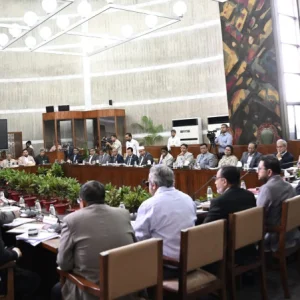
The Awami League is not a force for the Liberation War but a force for hegemony, Jamaat-e-Islami Nayeb-e-Ameer ATM Azharul Islam has said. He made the remarks on Saturday (24 October) at a food distribution programme for orphans at Katabon Mosque in the capital.
Jamaat's Dhaka Metropolitan South unit organised the programme in memory of those killed and injured in the Awami League's logi-boitha attacks of 28 October 2006. The victims were remembered at the event and food was distributed among orphans.
Azharul Islam said the true pro-liberation forces are those who never fled the country despite enduring hundreds of acts of oppression and torture. In his words, Jamaat-e-Islami is the only party that never abandoned the people and fled during the country's moments of crisis.
He added that no Jamaat leader had willingly gone into exile in London or Delhi. Those who leave the country for their masters' lands in Delhi and London can never be a pro-liberation force, nor can they be patriots, he said.
The Jamaat leader alleged that on 28 October 2006 the Awami League, aided by hegemonic forces, carried out the attacks to wipe out Jamaat-Shibir. He claimed that if that incident is not tried, hegemonic groups will again conspire to bring back fascism in the country.
Speaking as special guest, Jamaat central executive council member Shafiqul Islam Masud demanded trial of the 28 October 2006 incident. He said the trial proceedings in the case filed over that day's violence must be restarted quickly.
Masud warned that if the trial does not resume, the nation will understand that the BNP has come to state power through an understanding with hegemonic forces, in exchange for assuring that the Awami League's fascist killings will not be tried. His remarks drew discussion among the leaders and activists present.
Central Majlis-e-Shura members Syed Joynul Abedin and Abdus Sabur Fakir and central working council member Dr Khalilur Rahman Madani, among others, also spoke at the programme. The speakers described the 28 October incident as a dark chapter in Bangladesh's political history.
On 28 October 2006, several people, including Jamaat-Shibir leaders and activists, were killed in political clashes in the capital and elsewhere in the country. Jamaat-e-Islami holds memorial programmes every year around the day and has long demanded trial of the incident.
That demand was renewed at this year's programme. The speeches made clear that the party intends to keep the trial of the 28 October incident as an important part of its political agenda.
At the end of the programme, prayers were offered for the departed souls and food was distributed among the orphans. Leaders and activists of Jamaat's Dhaka Metropolitan South unit attended the event.
Attention will now turn to what steps the government and the authorities take in response to Jamaat's demand for trial. Whether any initiative is taken to restart the trial proceedings in the 28 October cases remains to be seen.