Canada Feels the Pain of Trump's Tariffs as Steel Exports Halve and Family Costs Rise
Canada's economy is coming under growing pressure in its trade fight with President Donald Trump. Steep U.S. tariffs on roughly $20 billion in goods remain in place, threatening jobs and adding to families' financial strain.
The hardest hit are the steel, aluminum, lumber and automobile producers that depend heavily on the American market. According to the Bank of Canada, steel exports have fallen by roughly half since the tariffs took effect, while lumber exports were about 20 percent below 2024 levels earlier this year. Production and jobs have also declined in some of the hardest-hit industries.
Canadian families are feeling the squeeze too. Government data show consumer prices were 3 percent higher in August than a year earlier, with grocery prices up 2.8 percent and transportation costs jumping 7.5 percent.
Retaliatory tariffs on American products have added to those costs. The central bank estimates that prices of affected goods — groceries, household products, furniture, electronics and appliances — rose roughly 6 percent more than comparable products not hit by tariffs.
Analysts say the disputes driving the fight are not new. David Clement of the Consumer Choice Center says the Trump administration's complaints about dairy access are largely valid, noting Canada's very high tariffs on imports of chicken, turkey, eggs, cheese and milk from the United States and everywhere else.
Scott Lincicome of the Cato Institute says more than 99 percent of U.S.-Canada trade was duty-free before 2025, with negotiators historically willing to tolerate disputes over politically sensitive products like dairy to preserve the broader relationship. In his words, the Trump administration has so far refused to make that deal.
Softwood lumber has likewise been a source of friction for decades, with the two countries repeatedly clashing over Canadian lumber exports.
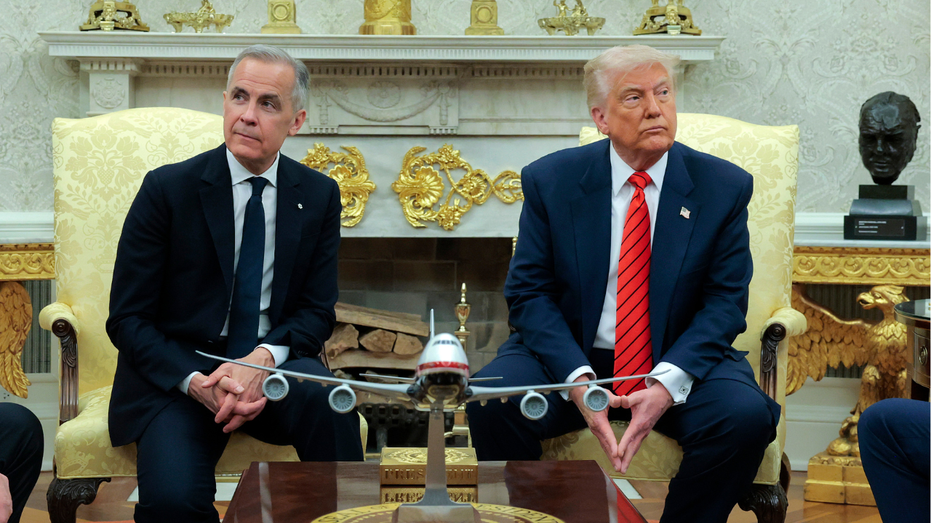
The fight has escalated under Trump and Canadian Prime Minister Mark Carney, with negotiations breaking down and both countries imposing new measures targeting each other's goods.
Analysts note dairy represents just a fraction of the broader trading relationship, yet that dispute is now complicating ties between the two allied economies.
Whether talks resume and the tariff burden eases will decide how much relief industries and families on both sides of the border can expect in the months ahead.