

US birth rate falls to record low, but more women over 30 are having babies
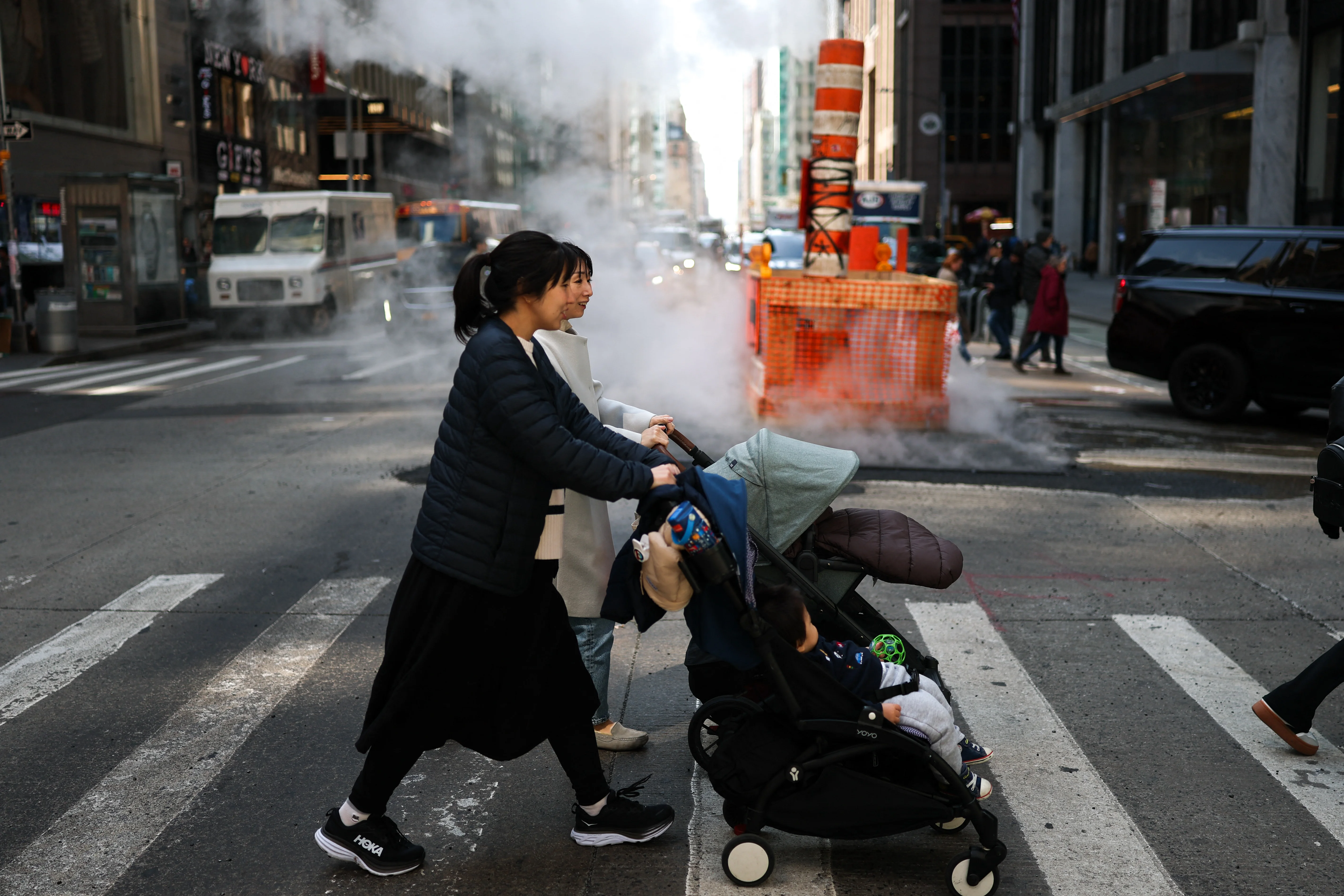
The birth rate in the United States has fallen to its lowest level ever recorded. The latest report from the Centers for Disease Control and Prevention (CDC) says the general fertility rate for women fell by a further 1 percent in 2025 to a new record low, continuing a two-decade trend toward fewer children.
The drop would have been greater, but women over 30 are having more babies. The CDC data shows a small but significant increase in the birth rate among women aged 30 to 45.
By contrast, women in their twenties are choosing motherhood far less. The birth rate for women aged 20 to 24 fell by 6 percent in a single year. Brady Hamilton, a demographer at the CDC's National Center for Health Statistics who co-authored the report, called that 6 percent decline 'noteworthy'. Women in their late teens also saw a 7 percent decline.
A separate study released last month by the Federal Reserve Bank of Atlanta found that Gen Z women, in their late teens and twenties, are 'dramatically less likely to want children' compared with women of previous generations.
The study identified several factors behind this lower desire for children, including increased labour-market opportunities and agency among women, rising financial costs, changing priorities, and concerns about maternal mortality.
Dr Tanise Branche, medical director of labour and delivery at Temple Health in Philadelphia, says more of her younger patients are following a different life script. 'They're starting to focus not necessarily just on what they can bring to kids, but what's going to be best for them,' she says.
Branche herself is part of the trend, building a career and a stable life before becoming a mother. Currently pregnant with her fourth child, she says: 'I will be 43 with my last delivery and I started this reproductive journey at 37. I see the net positive being that we have a choice.'
Sarah Harris of Vermont tells a similar story. She was 37 when she gave birth to her daughter Bridget last year, and describes motherhood as equal parts joy and exhaustion. 'When you have a baby in your mid-30s, what you gain in wisdom and experience you also lose in terms of energy,' she says with a laugh.
Harris was laid off from a job four months after Bridget was born and says she is still figuring out what her career and life will look like with a child. The high cost of raising a child convinced her that one is enough. 'I think in another era or another life or another scenario, I might have had more children,' she says. 'I think we're in a difficult societal moment and so that's absolutely affecting people's reproductive choices.'
As a consequence of this shift, there are fewer children in the US. The population under 18 is falling steadily, according to the US Census Bureau, dropping by more than one million from 2010 to 2020.
Some experts believe women would choose to have more children if they could afford them and had proper supports, including affordable housing, childcare and health insurance. 'The fact that there are a lot of people who still say they want families, but don't feel like they're able to have them [is a concern],' says Anna Louie Sussman, author of a new book on parenting choices called Inconceivable. 'Young people say, I can barely take care of myself, I can't imagine taking care of someone else.'
Sussman is herself part of the trend toward delayed motherhood. Because of her own concerns about affordability and her career, she froze her eggs and waited to have her child until she was in her early forties. 'I do feel lucky that I'm a little further along professionally than I would have been in my 20s or even 30s,' she says.
As women build different lives and birth rates keep falling, the US itself is changing. The median age is rising rapidly, reaching 39.4 years in 2025. More states, including Vermont where Harris lives, are seeing actual population decline, according to the Census Bureau. 'I think about it a lot because I live in a very small place where we're hoping to keep the doors of our elementary school open for as long as we can,' Harris says.



