Prime Minister Tarique Rahman to visit Japan from October 26: trade, investment and infrastructure in focus, more than four MoUs expected

Prime Minister Tarique Rahman is travelling to Japan to expand cooperation in agriculture, fisheries, trade, investment, skilled workforce development and infrastructure. During the four-day official visit from October 26 to 29, more than four memorandums of understanding (MoUs) are expected to be signed between Bangladesh and Japan.
There is also a plan to issue a joint statement highlighting the achievements of bilateral cooperation and future priorities. The visit has therefore intensified discussion about the next phase of economic relations between the two countries.
The visit will take place at the invitation of Japanese Prime Minister Sanae Takaichi. Ahead of the visit, preparations are under way to finalise about eight cooperation documents. However, how many documents will be signed will be determined after the talks conclude, Foreign Secretary Asad Alam Siam has said.
The proposed MoUs cover agriculture, fisheries, human resource development, skills enhancement, civil aviation, trade, environmental conservation and modernisation of the local government system.
On October 27, Tarique Rahman will hold a bilateral meeting with Sanae Takaichi at the Japanese prime minister's office. The Japanese prime minister will later host a luncheon in his honour.
Tarique Rahman will present the keynote paper at the Japan-Bangladesh Economic Forum and discuss investment and trade partnership with business leaders of the country.
In addition, meetings are planned with representatives of the Japan-Bangladesh Parliamentary Friendship League, the chairmen of the two countries' trade and economic cooperation committee, and the president of the Japan International Cooperation Agency (JICA). Meetings may also take place with the governor of the Japan Bank for International Cooperation (JBIC), the president of the Japan External Trade Organization (JETRO), and the chairman of the Sasakawa Peace Foundation.
Implementation of the Economic Partnership Agreement (EPA) signed on February 6 this year, increasing access for Bangladeshi products to the Japanese market, and strengthening business communication will also receive importance in the talks.
With Japanese cooperation, major projects are being implemented in Bangladesh including the metro rail, the third terminal of Hazrat Shahjalal International Airport, and Matarbari infrastructure development. However, as the cost of Dhaka's MRT Line-1 project has risen by 83 percent and that of MRT Line-5 by 113 percent, the cost of infrastructure projects and financing terms may come up in discussion.
Foreign Secretary Siam said Bangladesh has sought financing and technical assistance for infrastructure development. These issues will come up in the meeting of the two prime ministers. He also said Bangladesh wants low-interest loans from all countries.
The 'Bay of Bengal Industrial Growth Belt' or 'BIG-B' initiative, launched in 2014, is working to connect infrastructure, industry and regional communication systems.
Former Dhaka University vice-chancellor Professor Dr Anwarullah Chowdhury said combining Japan's industrial experience and technology with Bangladesh's development priorities can increase production, employment and livelihood opportunities. He stressed cooperation in productivity, processing and preservation in the agriculture and fisheries sectors, and creating a skilled workforce through language education and technical training.
The visit will also discuss renewable energy, science and technology, digital transformation and human resource development. The proposed programme includes visits to an LNG terminal and power plant in the Chiba region and a Toyota factory in Nagoya.
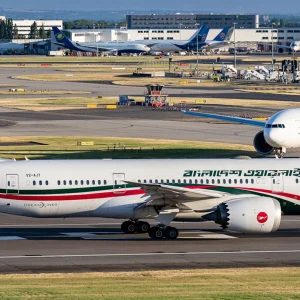
Alongside bilateral talks, regional and international peace, tackling the energy crisis, and a sustainable solution to the Rohingya crisis will also be discussed. The prime minister will travel to Japan on a Biman Bangladesh Airlines flight with his wife Dr Zubaida Rahman, ministers, advisers, senior officials and other delegates. Alongside the signing of MoUs, the main expectation of this visit is real progress in trade, investment, technology transfer and employment.