

Hepatitis B Vaccine Changes Could Leave 1.8 Million Young Adults Vulnerable, Study Warns
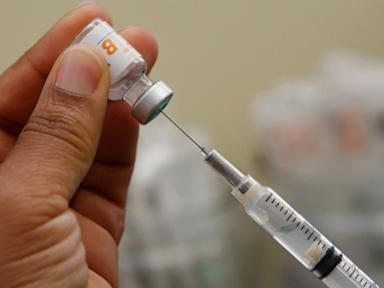
Changes to federal hepatitis B vaccination recommendations in the United States could lead to more childhood infections and leave up to 1.8 million young adults vulnerable to the virus, a new study published on Monday finds. The findings come as health experts raise concerns about the potential long-term impact of changing childhood vaccination recommendations.
Hepatitis B is a viral infection that attacks the liver and can cause either a short-term illness or a lifelong infection, according to the CDC. Many people have no symptoms, while others may experience nausea, abdominal pain or yellowing of the skin and eyes, known as jaundice. The virus spreads through contact with infected blood and other bodily fluids.
Infants are particularly vulnerable to hepatitis B. According to the American Academy of Pediatrics, approximately 90% of babies infected around the time of birth develop chronic hepatitis B, which can lead to serious complications including liver damage.
"The hepatitis B vaccine can prevent potentially life-threatening chronic liver disease, which can lead to liver cancer," Dr. Alok Patel, clinical associate professor of pediatrics at Stanford, told ABC News. "Since we started vaccinating at birth in 1991, infant infections have dropped by a reported 99%."
In late 2025, the Centers for Disease Control and Prevention removed the universal hepatitis B vaccination recommendation for newborns. That decision, as well as other vaccine changes by the CDC under the Trump administration, have since been placed on pause following legal action.
To understand the possible effects, researchers from Mass General Brigham used a computer model to follow a hypothetical group of 3.6 million babies born in the United States in 2026 through their first 20 years of life, comparing three approaches for babies born to mothers who test negative for hepatitis B in pregnancy.
The first approach followed the longstanding recommendation that all newborns receive their first dose shortly after birth. The second delayed the first dose until babies were at least 2 months old. The third used "shared clinical decision-making", meaning parents and their child's healthcare provider would discuss whether and when to vaccinate, rather than routinely recommending the vaccine at birth for every baby.
The study, published in the Annals of Internal Medicine, estimated that delaying vaccination until 2 months could increase chronic hepatitis B infections by 19% over 20 years, while the shared decision-making approach could increase infections by 83%, compared with routinely vaccinating all newborns at birth.
The model also predicted that approximately 232,000 children could remain vulnerable to infection at age 20 under the universal birth-dose approach. That number rose to 474,000 when vaccination was delayed and 1.8 million under the shared decision-making approach. The researchers emphasised that these figures represent children who could still become infected because they lack protection — not children who have already developed the disease — and that the results are estimates from a computer simulation, not actual infections.
"We found that, even under the most optimistic conditions, the new recommendations could increase childhood hepatitis B infections by more than 80% and would result in more than half of children being susceptible to hepatitis B infection as they enter adulthood," said corresponding author Dr. Amir Mohareb, an infectious disease physician and clinician researcher at the Center for Global Health at Mass General Brigham, in a press release on Monday. He urged policy makers to re-implement recommendations for universal hepatitis B vaccination at birth.
The study also warned that if high-risk babies — those born to mothers who test positive or whose status is unknown — became less likely to receive the vaccine, perinatal infections could double or triple in 20 years compared with keeping the universal recommendation. Under the December 2025 federal guidance, such babies should still receive the vaccine within 12 hours of birth. In March, a federal judge in Massachusetts stayed all votes taken by the CDC's vaccine advisory committee, including the removal of the universal birth-dose recommendation, and the CDC's website currently states that all infants should receive the hepatitis B vaccine.
In response to a request for comment, the Department of Health and Human Services pointed ABC News to a Tuesday post on X from Secretary Robert F. Kennedy Jr., who wrote in part: "I reject the idea that respecting parents' choices means abandoning children's health." The American Academy of Pediatrics, meanwhile, continues to recommend that newborns receive their first dose within 24 hours of birth. "When a recommendation shifts from 'every baby' to 'Let's discuss it,' a lot of families hear 'optional' or 'Maybe it was never that important,'" Dr. Patel said — a confusion physicians fear could mean fewer children vaccinated.



