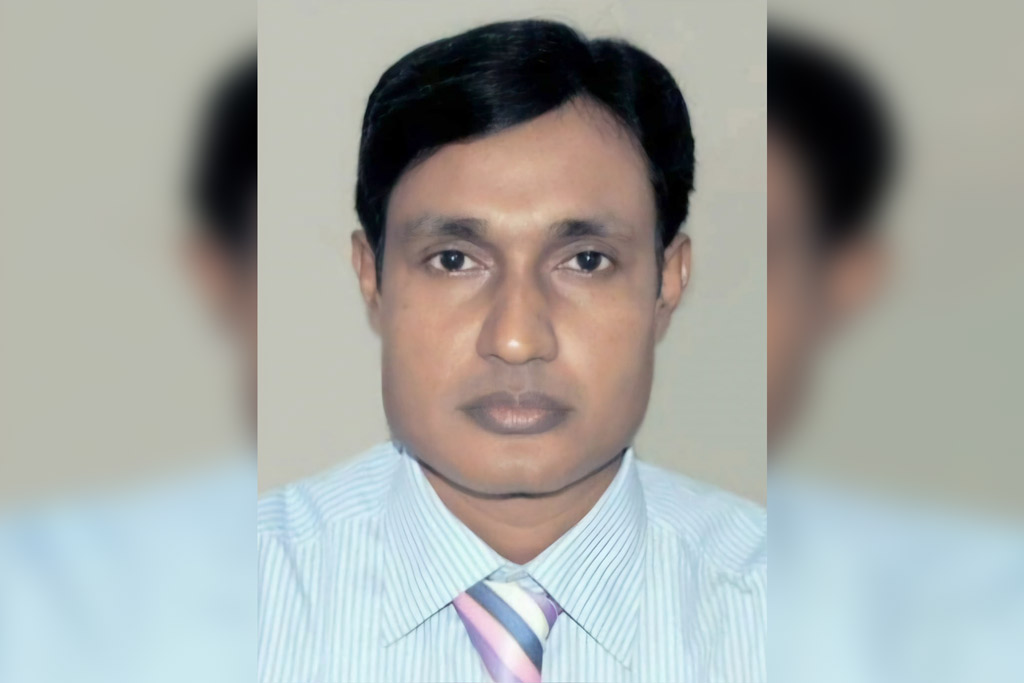
At Mahfil, Abbasi Says a Section of Journalists 'Should Be Beaten Like Dogs', Also Criticises Ishraque's Method

Islamic speaker Dr Syed Muhammad Enayetullah Abbasi has said at a mahfil in Matlab Uttar, Chandpur, that a section of journalists 'should be beaten like dogs'. He made the remark on Monday night (19 October) while delivering the chief speaker's address at the annual waz and doa mahfil of Nischintapur Hafizia Madrasa in Matlab Uttar upazila.
In the same speech, he described the intention of former state minister for liberation war affairs Ishraque Hossain as noble for taking a stand against drugs. But he also criticised Ishraque's method. In his words, Ishraque Hossain has declared war against drugs — that is certainly right; but doing it by brandishing a pistol was a bad method, while the intention was noble.
Criticising journalists, Abbasi said the worst are Bangladesh's journalists. According to him, instead of publicising the positive side of the anti-drug drive, journalists brought the pistol-in-hand chasing episode to the fore. It was in this context that he labelled a section of journalists 'yellow journalists'.
He called for taking a stand against those journalists. He even remarked that the journalists should be beaten like dogs. That comment, delivered from the mahfil stage, is now at the centre of discussion.
Abbasi said that if journalists had publicised the positive news, the government's decision regarding the anti-drug drive could have been different. In other words, he claimed the way the drive was presented also influenced the government decision.
In his view, tackling the spread of drugs in the country requires effective social initiatives alongside the law-enforcement agencies. He spoke of social initiatives rather than confining the anti-drug fight to drives alone.
Abbasi also spoke about the Awami League. He said: 'Many of you here — some are BNP, some Jamaat, some NCP, and there is even Awami League. Although no one says there is not a single Awami League person, that is a lie. They are here — where would they go? This country is theirs too.'
On the same subject, he said the murderer should be punished. As for the innocent rest, forgiving them is what is beneficial for the country. In other words, while taking a stand in favour of punishing offenders, he expressed an opinion in favour of forgiveness for the innocent.
In another part of his speech, he called for unity on three issues, setting aside political differences. The issues are protecting the interests of Islam, realising the fundamental demands of Muslims, and protecting the country's independence.
Highlighting the importance of Bangladesh's natural resources and geographical position, he stressed unity in protecting the country's independence and sovereignty. Rising above differences to unite on these three issues was the main theme of the closing part of his speech.
Among Abbasi's remarks at the mahfil, his comment about journalists is being discussed the most. His two-sided assessment of the anti-drug drive — noble intention, bad method — together with his sharp criticism of the media's role has sparked discussion in various quarters.