Romania swears in new prime minister Luca Niculescu, ending months of political deadlock
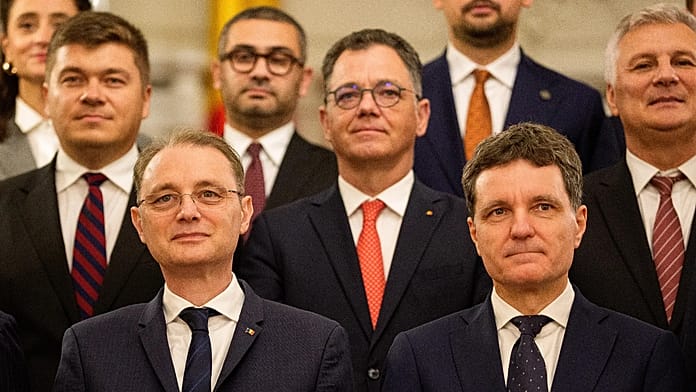
Romania has ended months of political deadlock with the swearing-in of independent diplomat Luca Niculescu as its new prime minister. After winning a parliamentary vote of confidence on Tuesday, the members of his proposed cabinet were also sworn in, and a minority government has now begun work in the country.
In the parliamentary vote, 280 lawmakers backed Niculescu's cabinet and 58 voted against. The margin gives him enough room to start work for now, but analysts say the road ahead will not be easy, because his government is a minority one and its base of support remains temporary.
Niculescu is 55 years old. Although he is a diplomat by profession, a large part of his career was built in journalism. As he is not a direct leader of any political party, he is being seen as an independent pick, and that identity worked as a major argument behind his nomination in this period of strain.
President Nicușor Dan nominated Niculescu for the premiership on 5 October. He was the president's fourth pick; three earlier nominees had failed to form a government. The crisis deepened a few weeks ago when parliament rejected the cabinet proposed by the president's third choice, Siegfried Muresan.
Romania's political crisis began last May, when then prime minister Ilie Bolojan lost power in a no-confidence motion. Notably, the motion was filed jointly by the Social Democratic Party, which had itself been part of Bolojan's governing coalition, and the Alliance for the Unity of Romanians party. Bolojan's government had been pursuing strict austerity measures, and discontent over them had been building inside the coalition itself.
Bolojan had taken office in 2025 aiming to end one of Romania's worst political crises since the fall of communism and to reduce a massive budget deficit. But under the pressure of austerity and the strains of coalition politics, his government could not survive.
The country's history of instability goes back further. Romania has been in continuous uncertainty since a presidential election was annulled in December 2024. Added to that are runaway inflation and the pressure of a technical recession. Last year the country recorded one of the highest budget deficits in the European Union.
The new prime minister's biggest task, at the very top of his agenda, is therefore tackling the budget deficit. Niculescu has said he wants to start work immediately. In his words, it must be made clear from the very start what kind of government this will be — a government that brings funds and investment into the country.
Analysts, however, warn that the current calm may not last. Support for Niculescu rests on a six-month arrangement with several parties, and no longer-term deal has yet been agreed. Without such a deal, they fear uncertainty could return after six months.
Throughout this whole episode of crisis, the prospect of early elections had also been hanging in the air. It grew stronger after Muresan's cabinet was rejected. The uncertainty came at a time of rising regional security concerns linked to Russia's war in neighbouring Ukraine. Romania is a member of both NATO and the European Union.
For now, the new government has begun work with the fear of early elections pushed aside. But Romania's political stability will depend on how successfully Niculescu handles three challenges: managing the economy, cutting the deficit, and turning a six-month support arrangement into long-term stability.