How to Handle a Child's Anger and Tantrums: Stay Calm First, Then Teach Self-Control
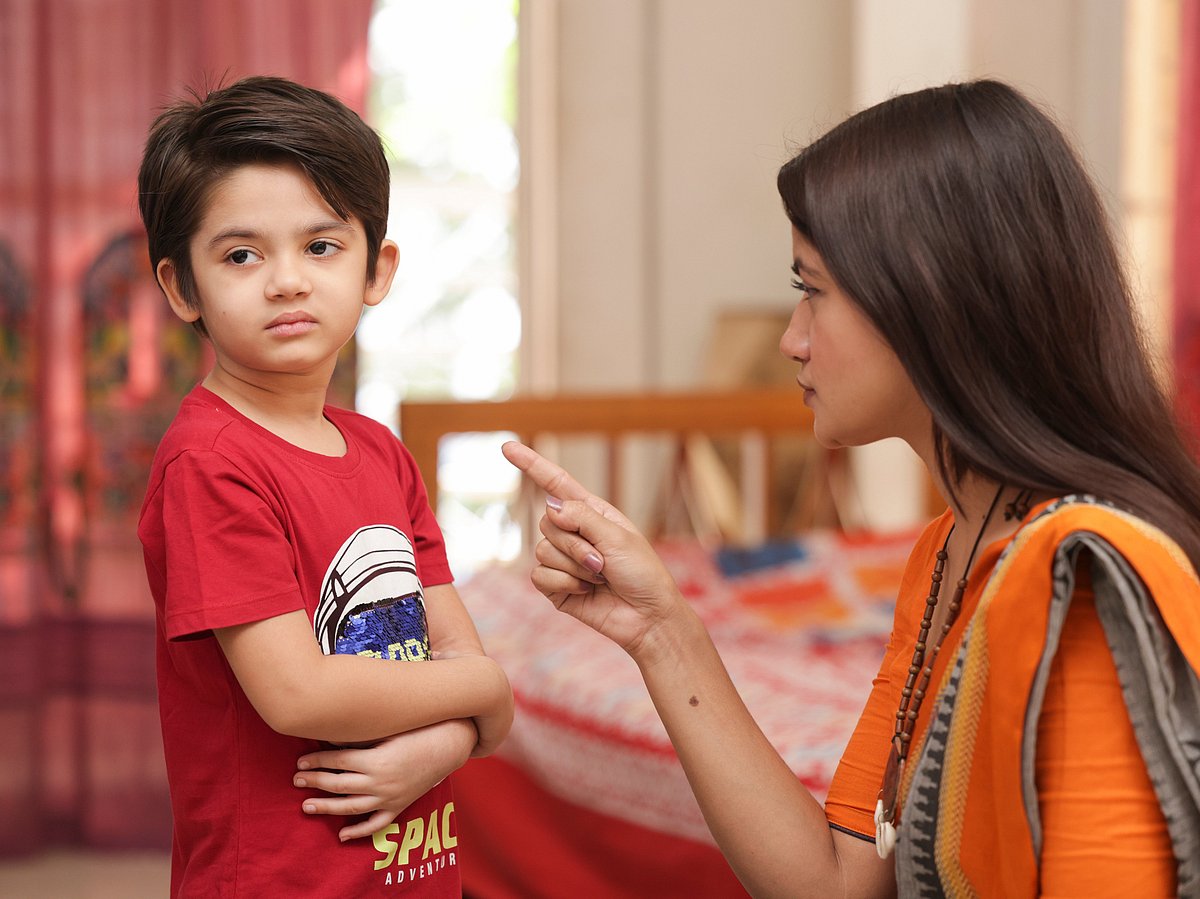
In the middle of a shopping mall, a small child suddenly throws himself on the floor, flailing his arms and legs and screaming at the top of his voice. Everyone nearby stops and stares. Perhaps the whole episode is over a single ice cream, yet to the child it feels as if the worst thing in the world has just happened to him. Few families would find the scene unfamiliar.
Parents feel uncomfortable in such moments too. In front of other people it can be embarrassing, and a question creeps in: are we raising this child properly? Sometimes there is anger, sometimes exhaustion, and sometimes the feeling of simply not being able to cope. Many parents then read books, search social media for advice, talk to friends, and some seek a doctor's help. Everyone asks the same question — how do I stop this behaviour?
The standard advice is to stay calm yourself. Speak gently to the child, but stay firm about the rules. Try to understand why the child is angry — perhaps he is hungry, or sleepy, or feels he has been treated unfairly. It sounds simple, but it is hard in practice. Still, for many families the advice works.
It does not work the same way for every family, however. When a child's anger, crying and screaming continue day after day, even patient parents naturally wear down. They may begin to doubt themselves, and distance can grow in the relationship with the child. So the question is not only ‘how do I stop the anger?’ Two more questions matter: how can parents help build the child's own emotion-regulation skills, and when should they suspect another problem behind the anger?
Psychologist James Gross defines emotion regulation as the process by which we manage which emotions we feel, when we feel them, and how we experience and express them. Children are not born with this skill. They acquire it gradually as the brain develops, and parents and other caregivers play the biggest role.
Children learn from everyday moments. Someone comforts them when they are frightened, listens when they are angry, sits beside them when they are sad — thousands of such experiences slowly teach a child to understand and manage his own emotions. Emotion regulation is also linked to executive function, a kind of traffic police of the brain that helps us hold attention, control our thinking and pause before acting.
A young child's emotion-management system in the brain is not fully built. So at this stage parents and caregivers act as a kind of external regulator. When a child cannot calm himself, the calm behaviour of adults helps him. Safe and consistent care can also support development of the prefrontal cortex, the part of the brain involved in thinking, decision-making and behaviour control.
This process is called co-regulation — managing emotions together. First adults help the child regulate, and gradually the skill becomes the child's own, known as self-regulation. Research supports this. One small study found that newborns held skin-to-skin against their mother's chest showed reduced pain responses. Another study found that seeing their own mother's photograph, rather than a stranger's, reduced activity in children's amygdala — the region tied to fear and threat responses — and improved behaviour control, though the same effect was not found in adolescents.
So what should you do in the moment? First, calm yourself. The child is shouting, but you do not have to shout too. Breathe out slowly, keep your voice low, and if possible sit at the child's eye level; your calm helps him feel safe. Second, say less. A very angry child's brain cannot process reasoning, so skip the long lecture; say briefly, ‘You're really angry because your tower fell down, aren't you?’ But some children become more agitated when their feelings are named — for them, do not push it; stay calm and talk later, once things settle.
Third, hold your decision, but keep the child safe. Staying calm does not mean granting every demand. If you have said no to something, stay with that rule — without insults or threats. It is possible to be firm and gentle at once, and to say ‘no’ with love. Fourth, give time. Many children need a while for anger to subside; stay nearby. If the child dislikes touch, do not force a hug — often, simply having someone nearby is the biggest support. Fifth, reconnect once the anger passes. Show affection, offer food if needed, and say, ‘That was a hard moment, wasn't it?’ The child learns that anger and tears have not damaged the relationship.
Remember, the heat of a tantrum is not the time to teach emotion management. Children learn best when they are calm. While reading storybooks, talk about the characters' feelings — how might a character feel after losing a game, and what could he do with his anger? Practise calming together: imagine a birthday candle in front of you and blow it out slowly — a gentle way to practise slow breathing. Games like ‘Red Light, Green Light’, ‘Simon Says’ or freezing when the music stops also build self-control, because children must listen, wait and stop themselves on cue.
Daily routines matter too. Make sure the child sleeps properly and meals are not delayed too long. Warn before transitions: ‘Five more minutes of play, then it's bath time.’ That softens the shock of sudden change. And when the child manages his anger, waits a little, or uses words instead of hitting, praise it: ‘You were angry but you didn't hit this time — you explained with words. Well done.’ Notice your own progress too — whether you can stay calmer now in situations that once made you furious.
But keeping a child calm requires adults to stay calm themselves, and that is easier said than done. Research shows that seeing a loved one in distress activates parts of the brain such as the anterior insula and anterior cingulate cortex — the same regions active when we feel pain ourselves. So it is natural for a child's crying to unsettle adults, and parents who cannot recognise or manage their own reaction can get pulled into the storm and lose their temper too.
In the end, until a child develops the skill of managing emotions himself, it is unrealistic to expect the anger and crying to stop completely. Patience, consistency and a calm presence are what work over the long term. But if the anger grows out of proportion day after day, lasts too long, or disrupts the child's normal life, seeking a specialist's help without delay is the right decision.